

Welcome to the Research and Strategy Services at in today's fast-paced.
When we think about elite athletic performance, most people imagine strength, speed, and hours of physical training. But there's a crucial piece often overlooked: vision. Not just seeing clearly—but how well you process what you see. That’s where sports vision training comes in.
Whether you're tracking a fastball, scanning a soccer pitch, or reacting to a surprise counterattack, your eyes and brain are working together in split seconds to make high-stakes decisions. And like any muscle group, this system can be trained to perform better.
Dr. Dan Laby, a leading sports vision specialist who has worked with MLB teams, Olympic athletes, and pro sports organizations, emphasizes that "vision is more than eyesight." It’s the ability to quickly recognize, react to, and act on visual cues under pressure.
Here are five reasons why sports vision training is fast becoming a game-changer for athletes at every level:
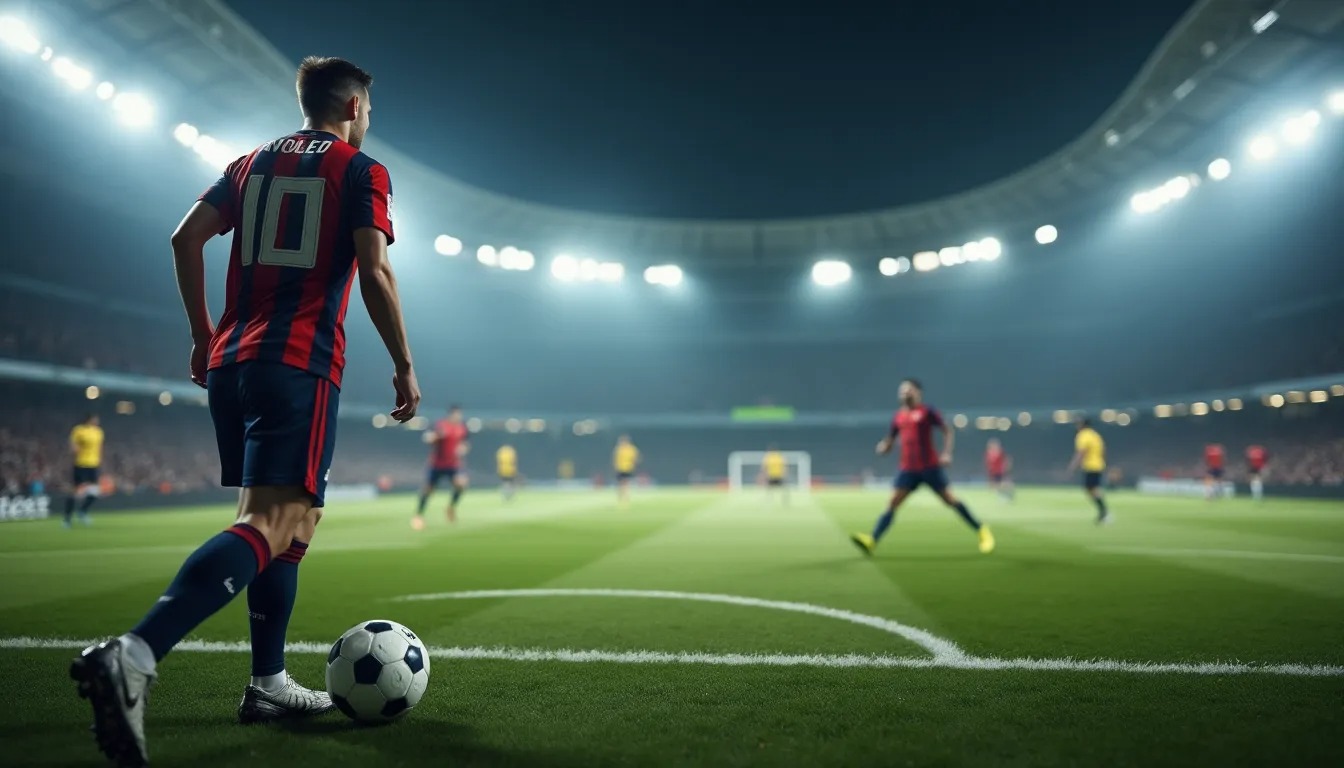
Fast, accurate decisions are the difference between success and failure in most sports. Vision training enhances your brain’s ability to interpret visual information quickly and correctly—especially when under time pressure. Dr. Laby’s research with baseball players, for example, showed that players with superior visual processing skills had better on-base and slugging percentages.
Bottom line: A faster brain starts with sharper vision.

Catching, striking, or passing a ball all rely on seamless communication between the eyes and hands. By training specific visual pathways, athletes can reduce reaction time and fine-tune movement precision. This becomes especially important in high-speed sports where milliseconds matter.
Elite application: MLB teams have used vision training to improve batting averages and even predict potential performance during scouting.
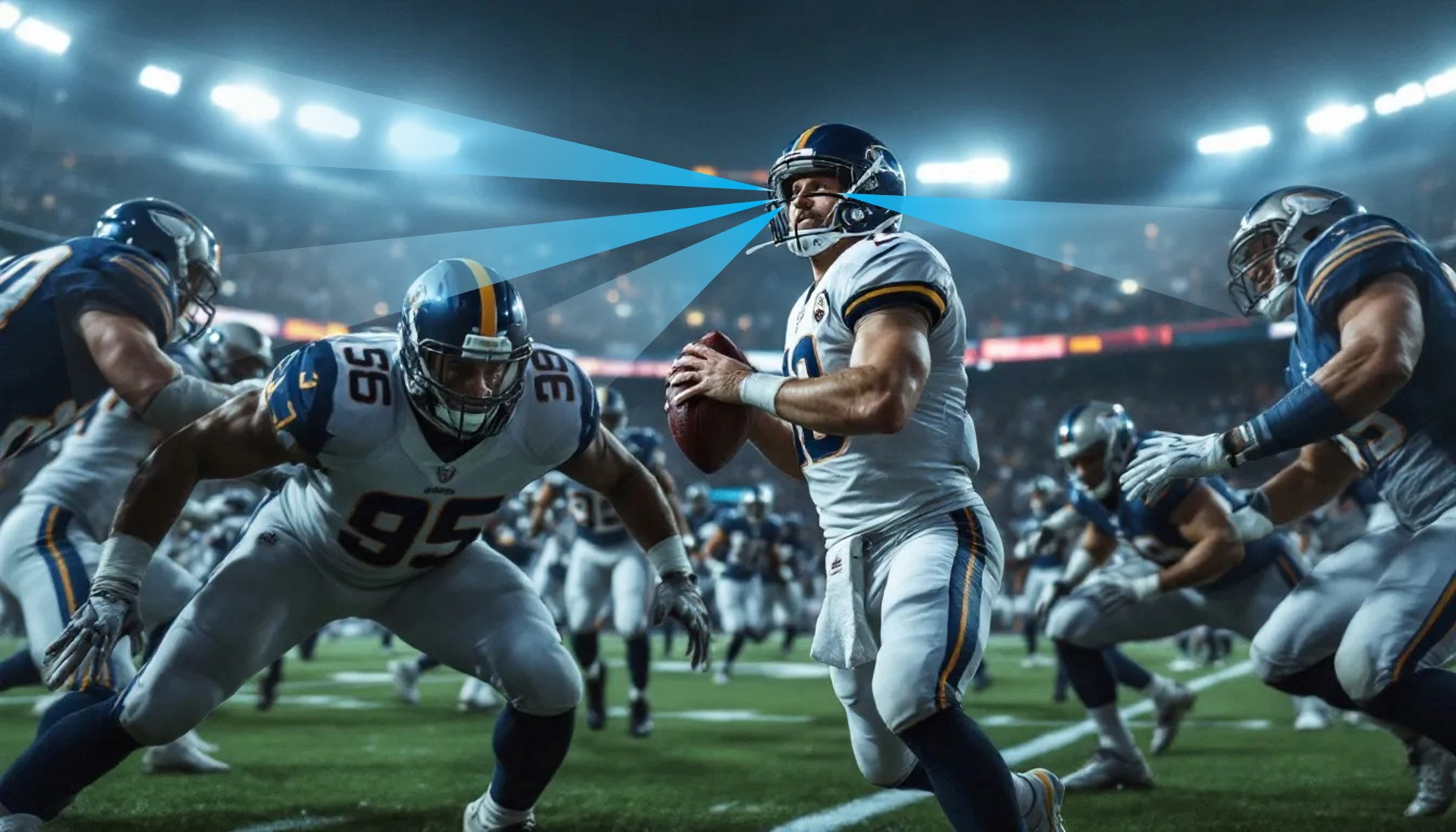
In team sports, what you don’t look at can be just as important as what you do. Peripheral vision allows athletes to read the broader game environment—teammates, opponents, space—without constantly shifting focus.
Dr. Laby has emphasized this in his work with hockey and soccer players, noting that top performers often excel at scanning the field while maintaining foveal attention on the task at hand.
Result: Athletes are more situationally aware, anticipatory, and tactically intelligent.
.jpg)
Maintaining mental focus over the course of a match or event is a cognitive challenge—especially when fatigue sets in. Sports vision training can help build visual stamina, improving an athlete’s ability to sustain attention and reduce mental errors late in the game.
Takeaway: This type of sustained focus is particularly valuable in sports like tennis, where long rallies and changing visual demands require sustained concentration.

Every athlete makes perceptual errors. But what separates elite performers is their ability to recalibrate quickly and stay mentally locked in. Vision training helps athletes recognize misjudgments sooner and re-engage with less hesitation.
The advantage? A short memory for mistakes, and sharper corrections on the fly.
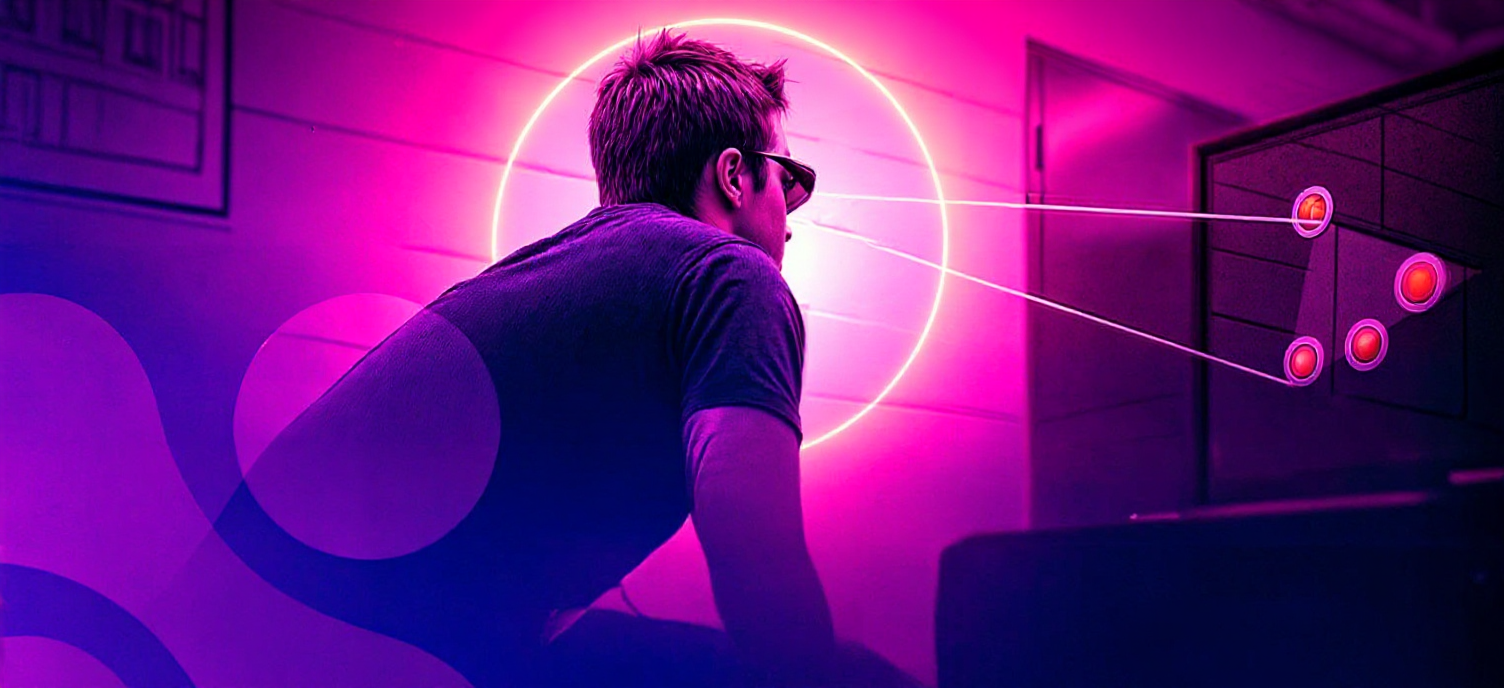
Sports vision training isn't just for pros. Tools like NeuroTracker make it possible for athletes at all levels to train core visual and perceptual-cognitive skills—like dynamic attention, peripheral vision, and split-second decision-making—all from a screen in just a few minutes a day.
Originally developed in high-performance neuroscience labs and now used by elite athletes, special forces, and Olympic programs, NeuroTracker offers an effective, evidence-based way to train the brain for sport. It’s an example of how modern vision training goes far beyond the eye chart—enhancing not just what you see, but how you play.
Welcome to the Research and Strategy Services at in today's fast-paced.
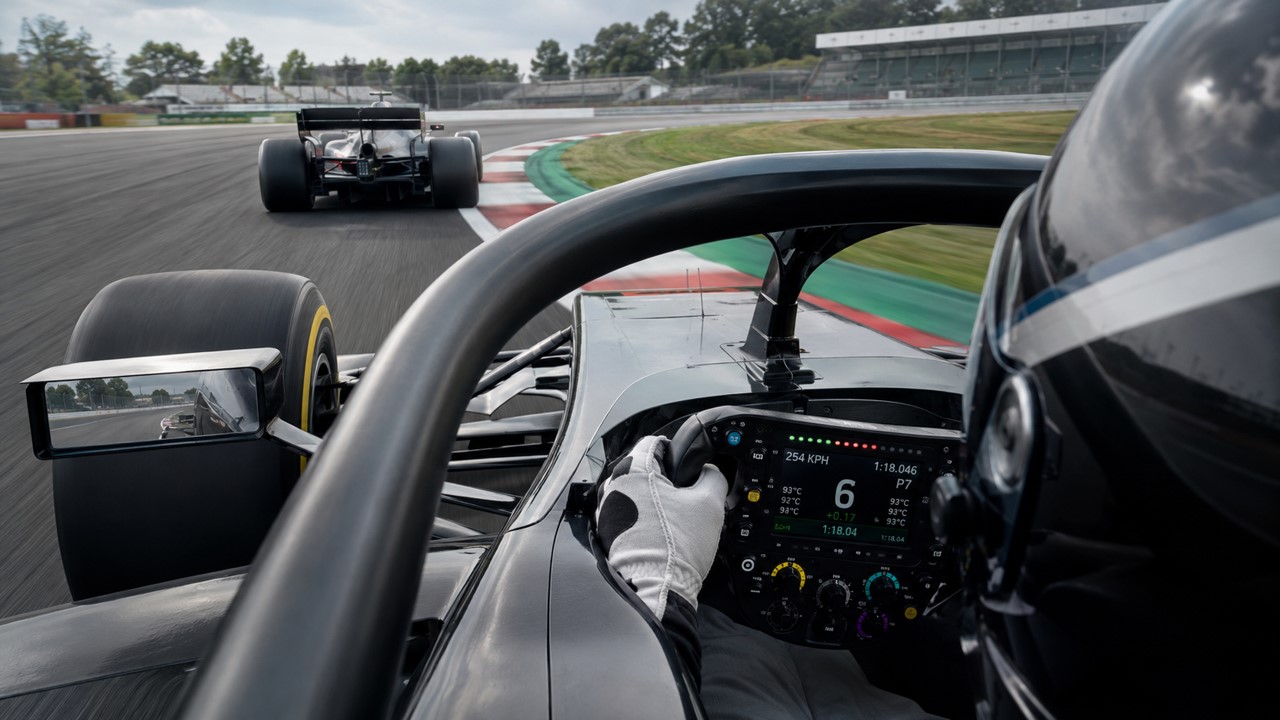
At Formula 1 speeds, performance depends on far more than fast reactions. This article explores how elite drivers prioritize information, anticipate what comes next, and continuously update the race at extreme speed.
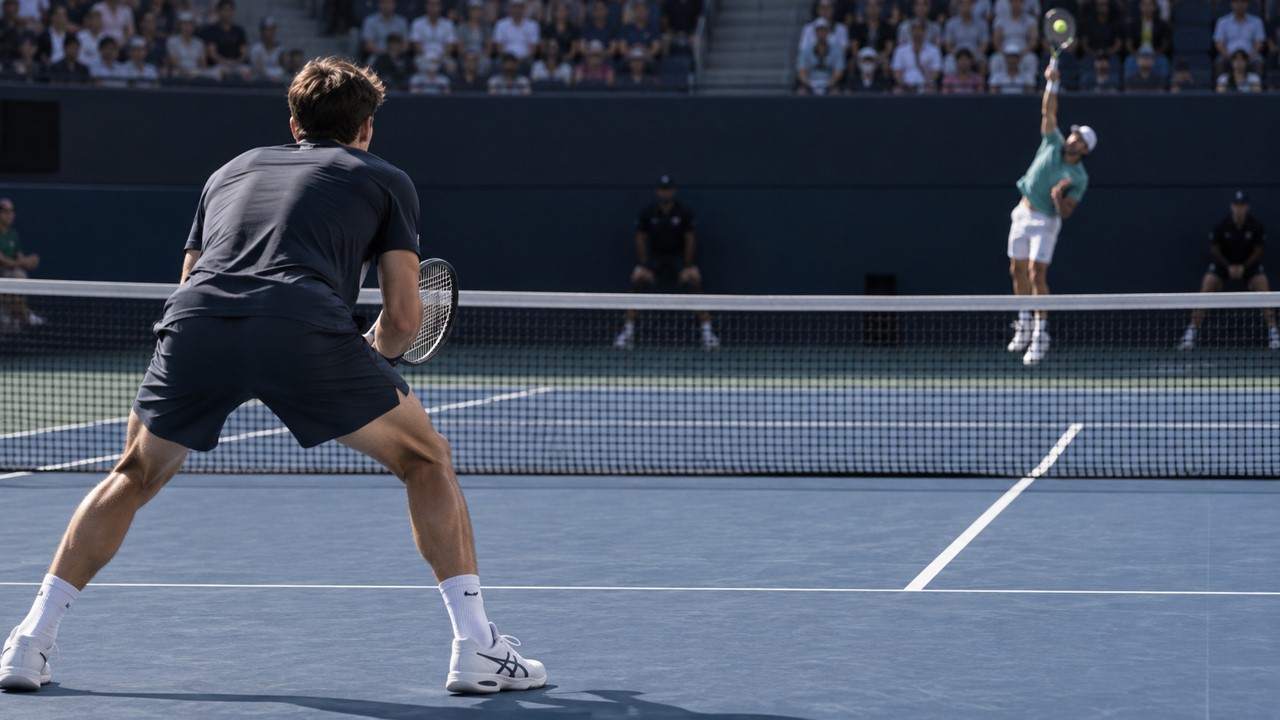
Elite tennis returners do more than react quickly — they extract useful information before the ball is even struck. This article explores how anticipation, body cues, and rapid updating help players solve the return before the serve fully unfolds.
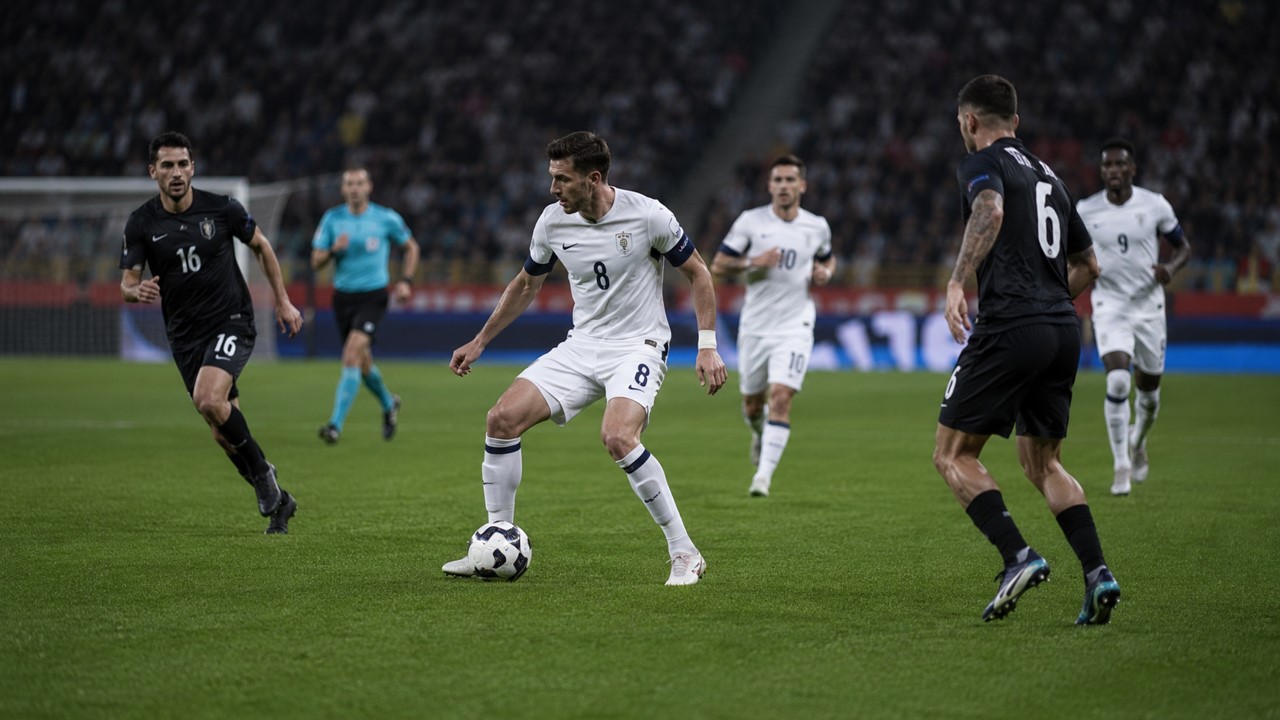
Elite athletes don’t need to look directly at everything to stay aware of a fast-changing play. This article explores how gaze and attention work together to monitor movement, spacing, and opportunity across the wider visual field.
NeuroTracker is one of the most widely researched cognitive training systems, used in elite sports, military, and human performance settings worldwide. Built on 20 years of neuroscience research.