


Welcome to the Research and Strategy Services at in today's fast-paced.
Cognitive performance does not behave the same way under sustained demand as it does in brief or isolated tasks.
People often notice this indirectly: decisions feel harder later than earlier, errors appear after long periods of stability, or performance drops even though ability feels unchanged. These experiences are commonly described as fatigue, burnout, or loss of focus. While those terms capture part of the experience, they often obscure what is actually happening.
This page defines cognitive performance under load as a structural phenomenon: how cognition changes when demands are continuous, recovery is limited, and time itself becomes a stressor.
In this context, cognitive load does not mean task difficulty, effort, or stress in the everyday sense.
Load refers to the conditions placed on the cognitive system over time, including:
A task can be simple yet highly demanding if it must be sustained. Conversely, a difficult task may not create high load if it is brief or intermittent.
Load is an external, time-structured condition defined by duration—the total time a demand is imposed—and continuity—the extent to which it persists without interruption. It reflects how long and how persistently a task constrains processing, rather than how demanding it feels.

A central distinction in this model is between capacity and performance.
Under sustained load, performance declines as prolonged demand constrains consistent expression, while capacity remains unchanged.
This does not imply loss of ability, decline, or deficit. It reflects the changing conditions under which the system is operating.
Confusing performance under load with capacity leads to misinterpretation, especially when changes are observed without obvious external causes.
Time is not a neutral backdrop in sustained cognitive work.
As demands persist, time systematically alters performance by reducing the stability of output over successive intervals. Early stability does not guarantee later stability, and brief success does not predict long-term sustainability.
Importantly, performance under load often changes non-linearly:
This is why short tests or snapshots often fail to predict behavior under prolonged demand.

People often rely on how they feel to judge how they are performing. Under load, this can be misleading.
These dissociations explain why individuals are sometimes surprised by later errors, slowed reactions, or reduced consistency. Internal experience and external performance do not track each other reliably under sustained demand.
This separation is structural, not pathological.
Changes in performance under load are often interpreted as simple mistakes or failures. In reality, many changes reflect strategic shifts.
As load accumulates, people may unconsciously alter how they allocate resources:
Some performance changes represent adaptation to constraints rather than loss of competence. Without a model of load, these shifts are often misclassified as decline.

Performance under sustained demand is rarely smooth or consistent. Variability is expected.
Sources of variability include:
Treating this variability as noise obscures meaningful information about system limits and dynamics. Under load, inconsistency is often the signal.
Without relying on specific examples, this framework helps explain why:
These patterns are common across many domains precisely because they arise from structural properties of sustained cognitive demand.
This framework is descriptive, not prescriptive.
It does not:
Its purpose is to clarify interpretation, not to optimize outcomes.
Cognitive performance under load intersects with, but is not equivalent to:
Those constructs address different questions. This model focuses specifically on how sustained demand alters performance expression over time, regardless of underlying ability or intent.
Keeping these distinctions clear prevents category collapse and overgeneralization.
Under sustained demand, cognitive performance is dynamic.
Fluctuation does not imply unreliability.
Decline does not imply loss of capacity.
Time changes how cognition behaves.
Understanding performance under load provides a framework for interpreting real-world behavior without over-attributing outcomes to ability, motivation, or pathology.
That clarity is the value of the model.
Welcome to the Research and Strategy Services at in today's fast-paced.
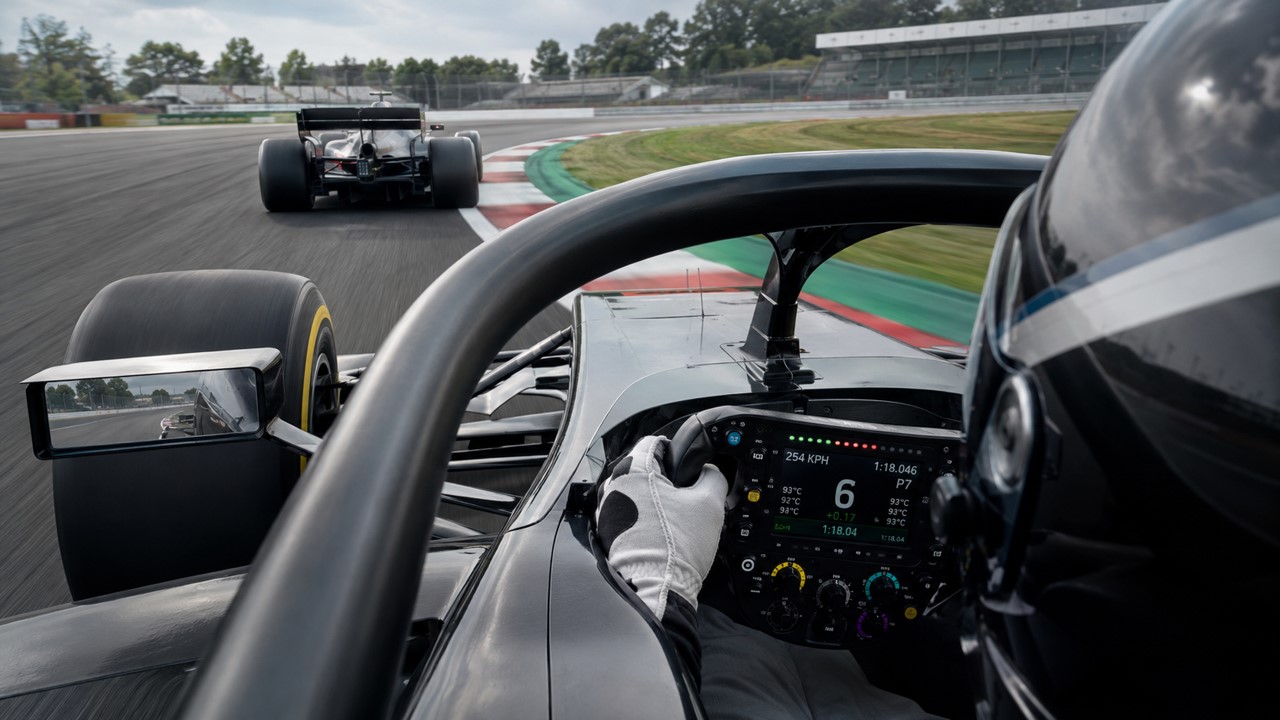
At Formula 1 speeds, performance depends on far more than fast reactions. This article explores how elite drivers prioritize information, anticipate what comes next, and continuously update the race at extreme speed.
Elite tennis returners do more than react quickly — they extract useful information before the ball is even struck. This article explores how anticipation, body cues, and rapid updating help players solve the return before the serve fully unfolds.
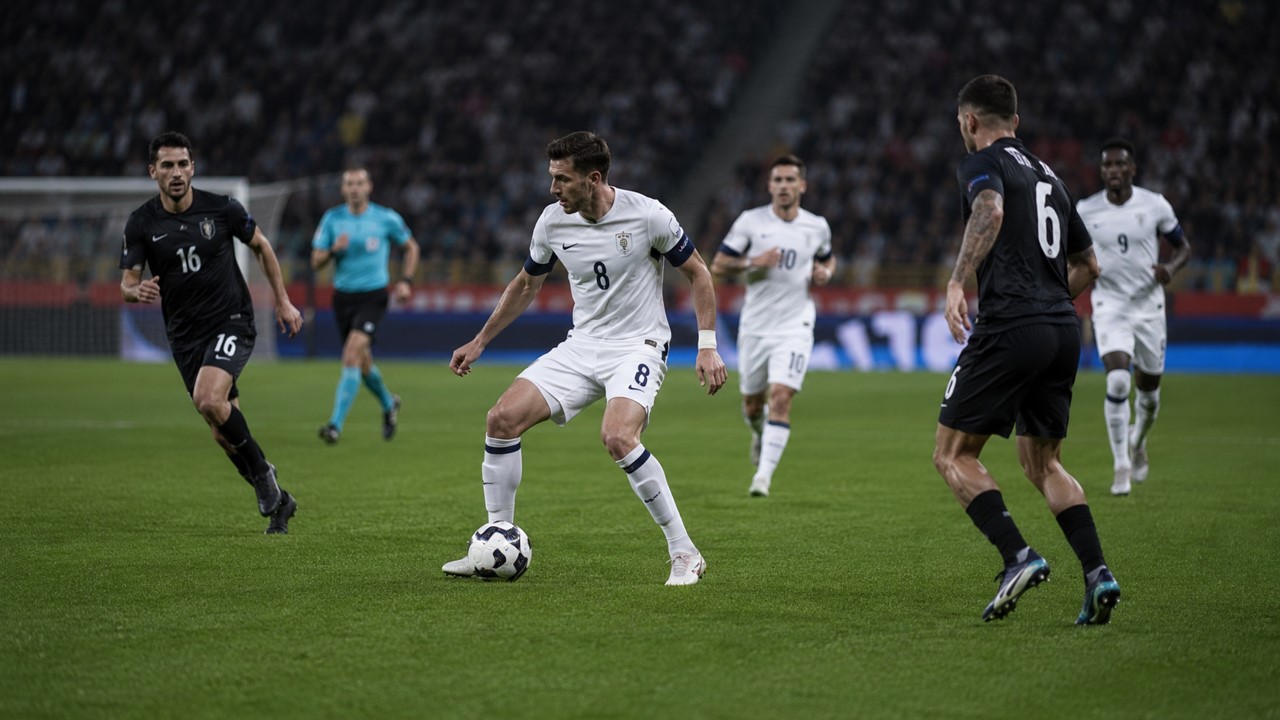
Elite athletes don’t need to look directly at everything to stay aware of a fast-changing play. This article explores how gaze and attention work together to monitor movement, spacing, and opportunity across the wider visual field.
NeuroTracker is one of the most widely researched cognitive training systems, used in elite sports, military, and human performance settings worldwide. Built on 20 years of neuroscience research.