

Welcome to the Research and Strategy Services at in today's fast-paced.
Before we begin this post, we would like to take this opportunity to remember and pay respect to all those who gave their lives for the protection of their country. Lest We Forget.
NeuroTracker Tactical Awareness speeds up the learning of tactical decision-making by training military personnel, firefighters and even the police to distinguish tactical cues enabling them to adapt their attention to focus on a complex and hostile, environment. A good example of how it could work for you is to watch the movie G.I. Joe Retaliation where a tactical decision could mean the difference between life and death.
Interested in finding out more about how does NeuroTracker’s Tactical Awareness mode work? Basically, it involves trailing 4 out of 8 targets while simultaneously assimilating data for sensible tactical decisions based on an image behind those targets. This tool educates operators to confidently switch between situational awareness (NeuroTracker’s complex environment) and tactical awareness (relevant decision-making signals). By boosting the ability to follow and anticipate moment-to-moment cues, a soldier will gain a thorough understanding of a situation, allowing them to effectively apply their learned tactical expertise within the cognitive memory.
Educating and having the ability to channel attention, switching from one scenario to a different one within the same environment depends greatly on how rapidly you are capable of processing large amounts of information within your brain to lead to a speedy execution of the tactical decision.
Studies have shown that the NeuroTracker Tactical Awareness mode pushes the human brain to certain limits whereby it senses relevant tactical cues while maintaining total awareness of a complex and hostile situation. When a soldier undergoes the 3D multiple object tracking process, NeuroTracker training creates certain neural pathways increasing the cognitive capacity to acknowledge the disordered motion, maintain attention and recognize basic tactical cues, resulting in a more effective use of expertise and destroying the target if necessary.
As a soldier under the program, the training can be applied to recognize challenges like identifying the target in a chaotic situation and reaching the optimal tactical path to deal with a potential threat. With NeuroTracker’s dynamic cognitive training, combined with customizable tactical scenarios, soldiers can speedily adapt to new situations.
NeuroTracker’s Awareness mode can be tailored to a person’s specific requirements or goals. This is ideal for new entrants into the military to get a feel for the kind of environment they could be working in. The possibilities within this program are endless because they can be as broad and disparate as playbook learning, opportunity recognition, assimilating information in a hostile situation, to tackling opponents and goal scoring opportunity recognition within team sports. Quite obviously your imagination is your limit and scenarios and boundaries really are infinite.
Furthermore, the NeuroTracker Tactical Awareness mode pushes you beyond the limits of your normal imagination by not limiting learning to specific contexts. Rather, the training process is improving and consolidating the fundamental neural processes involved with recognizing and anticipating signals and making tactical decisions, which leads to a speedy and automatic execution of proper military tactics.
Welcome to the Research and Strategy Services at in today's fast-paced.
Elite athletes often anticipate an opponent’s next move before the action fully unfolds. This article explores how reading subtle body movements helps experts predict actions, reduce uncertainty, and respond ahead of time.
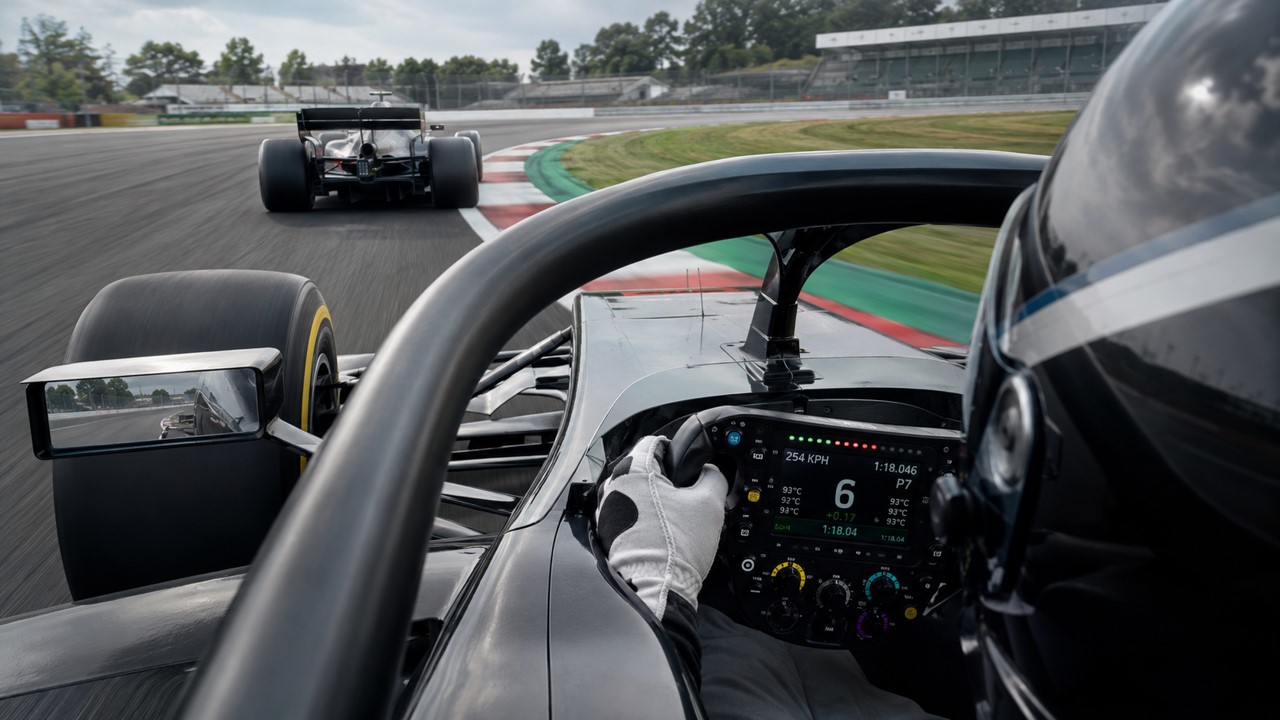
At Formula 1 speeds, performance depends on far more than fast reactions. This article explores how elite drivers prioritize information, anticipate what comes next, and continuously update the race at extreme speed.
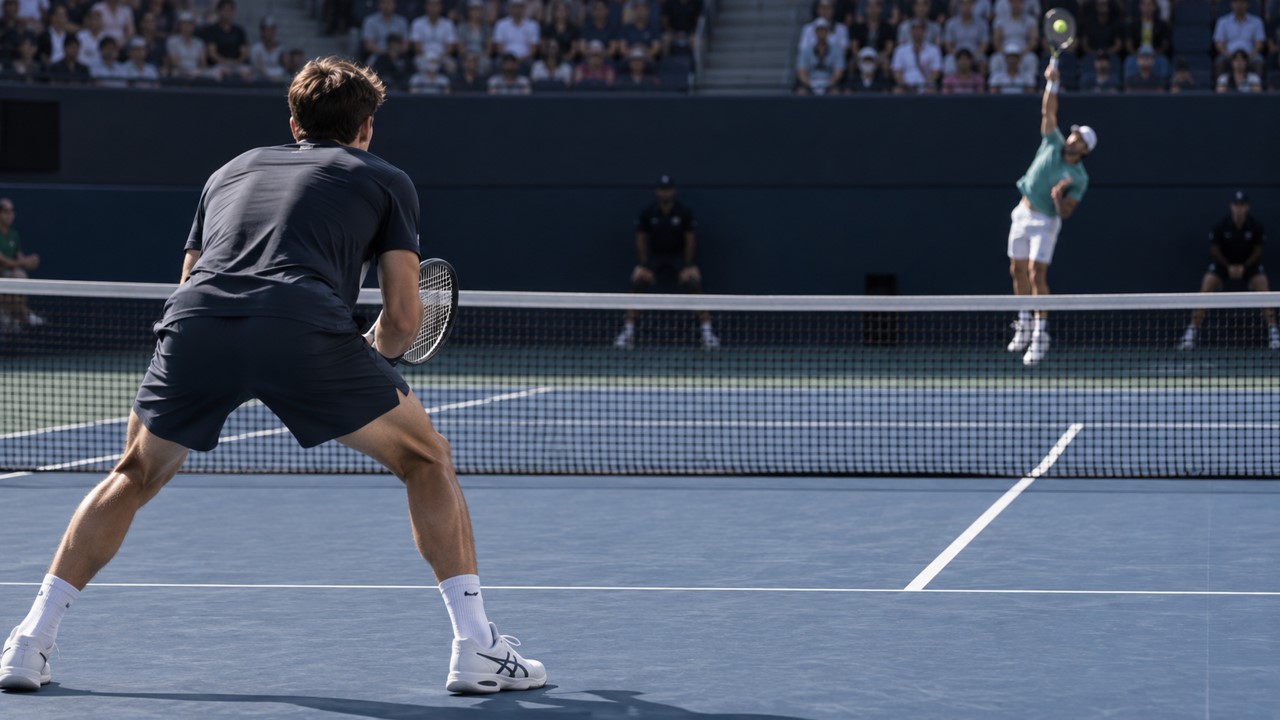
Elite tennis returners do more than react quickly — they extract useful information before the ball is even struck. This article explores how anticipation, body cues, and rapid updating help players solve the return before the serve fully unfolds.
NeuroTracker is one of the most widely researched cognitive training systems, used in elite sports, military, and human performance settings worldwide. Built on 20 years of neuroscience research.