


Welcome to the Research and Strategy Services at in today's fast-paced.
Sports vision training can improve on-field performance for elite-level players. There is evidence that multiple object tracking and perceptual-cognitive training can improve visual information processing speed, increase situational awareness and sharpen focus - all key mental skills that allow athletes to make better decisions and execute more effectively in the game.
Here are some of the ways multiple object tracking and perceptual-cognitive training could help baseball players:
Pitch Recognition – Batters have about 250 milliseconds to identify the type of pitch being thrown, predict its path into the strike zone and direct the bat to that location. The more efficient batters are in processing this rapid stream of visual information, the more quality at- bats they will have. Multiple object tracking and perceptual-cognitive training could increase baseball players' ability to identify key visual cues in the pitcher’s wind up and release. This could permit them to accurately predict where and when the pitch will cross the plate and determine whether to swing or not.
Effective Playmaking – Once the ball is in play runners and fielders have to rapidly assess the situation, anticipate what’s next, evaluate their options and execute, often in a split second. When the game is tight the pressure on these athletes can be enormous. Multiple object tracking and perceptual-cognitive training could enhance athletic performance by improving cognitive function, which in turn is a crucial element in making rapid decisions under pressure.
Mental Endurance – Baseball interposes long periods of inactivity with brief episodes of intense action. But the periods of inactivity are only physical. Mentally, the players on the field and at the plate must remain cognitively sharp and in the moment. Multiple object tracking and perceptual-cognitive training could increase cognitive stamina, much like strength and conditioning training increases physical stamina. Multiple object tracking and perceptual-cognitive training could also help improve attention and focus, so players can maintain situational awareness and retain their competitive edge throughout the entire game.
Welcome to the Research and Strategy Services at in today's fast-paced.
Elite athletes often anticipate an opponent’s next move before the action fully unfolds. This article explores how reading subtle body movements helps experts predict actions, reduce uncertainty, and respond ahead of time.
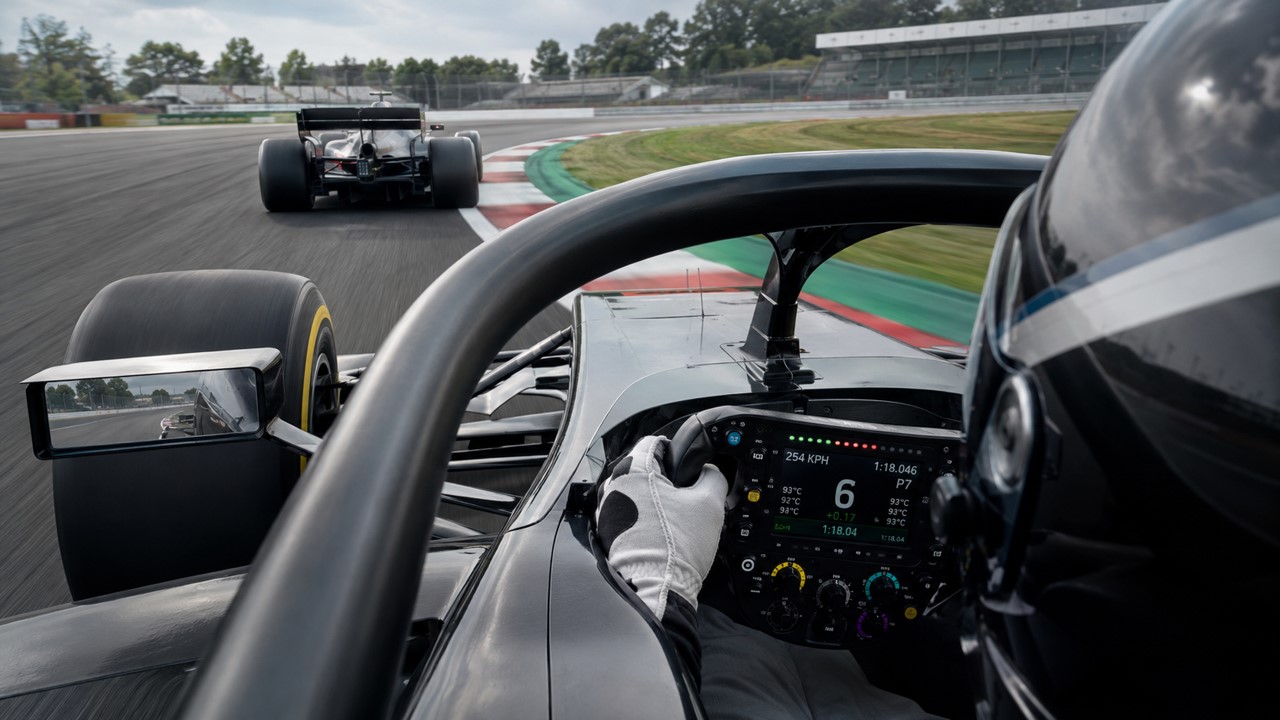
At Formula 1 speeds, performance depends on far more than fast reactions. This article explores how elite drivers prioritize information, anticipate what comes next, and continuously update the race at extreme speed.
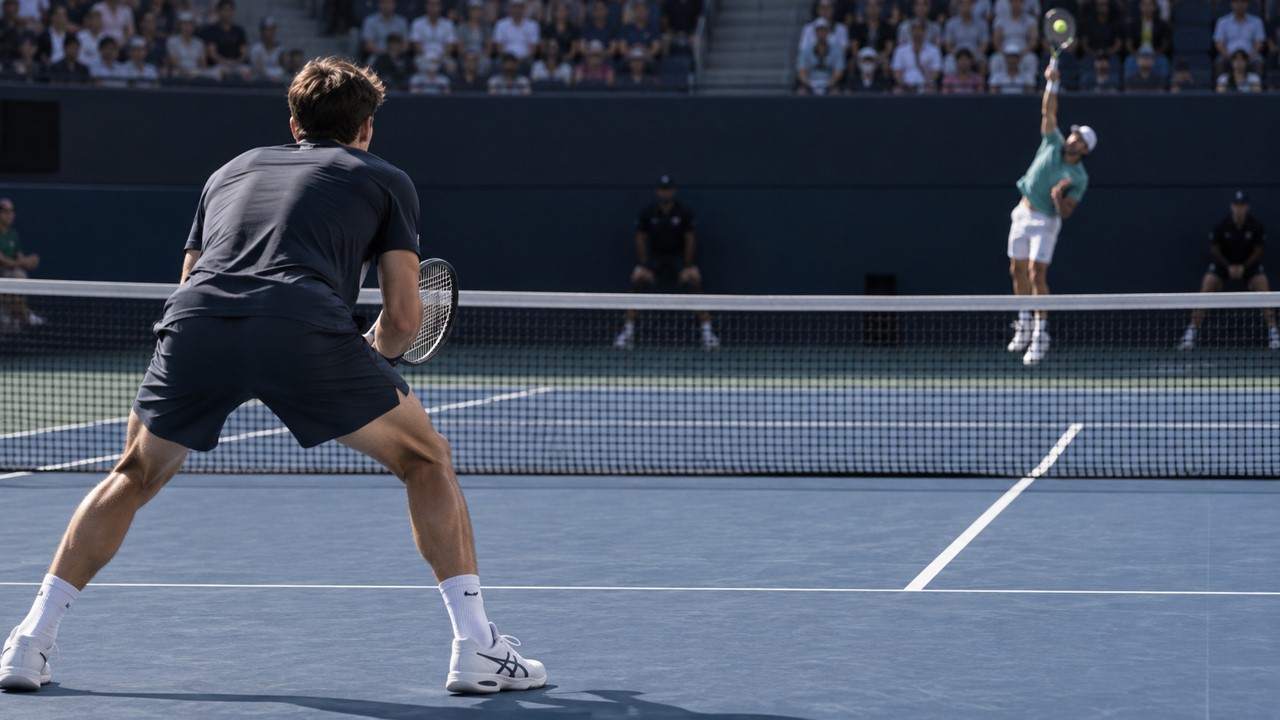
Elite tennis returners do more than react quickly — they extract useful information before the ball is even struck. This article explores how anticipation, body cues, and rapid updating help players solve the return before the serve fully unfolds.
NeuroTracker is one of the most widely researched cognitive training systems, used in elite sports, military, and human performance settings worldwide. Built on 20 years of neuroscience research.