


Welcome to the Research and Strategy Services at in today's fast-paced.
Some environments place cognitive demands on individuals that are both sustained over time and consequential in outcome. Decisions must be made continuously, often under uncertainty, where errors carry immediate and sometimes severe consequences.
These environments share a common structure. They are not defined by speed alone, nor by difficulty in isolation, but by the requirement to maintain cognitive performance over extended periods while decisions remain high-stakes throughout.
This article describes what characterizes high-stakes decision environments from a cognitive perspective, and why sustained cognitive load plays a central role in shaping performance within them.
High-stakes decision environments are characterized by a combination of constraints rather than any single factor.
They typically involve:
Importantly, the stakes are not episodic. Consequences remain present across the duration of performance, which alters how cognition must be managed and expressed over time.
In many high-stakes contexts, individual decisions may not feel maximally intense at every moment. What defines the challenge is not constant peak difficulty, but the absence of disengagement.
Sustained cognitive load emerges when:
Under these conditions, performance dynamics are shaped by duration and continuity rather than by momentary effort.
In high-stakes decision environments, performance often appears stable early on. Errors or inefficiencies may not surface immediately, which can give the impression that cognitive demands are being managed without difficulty.
Over time, however:
These changes do not necessarily reflect loss of ability or competence. They reflect the interaction between sustained task demands and limited recovery opportunities.
Unlike low-stakes contexts, errors in high-stakes decision environments are rarely benign.
Because decisions are continuous and interdependent:
This amplifies the importance of sustaining performance, not just achieving it momentarily.
Individuals operating in high-stakes decision environments often adjust how they perform over time.
These adjustments may include:
Such adaptations can appear, from the outside, as performance degradation. In context, they often represent adaptive responses to sustained cognitive constraints, not failure or loss of skill.
High-stakes decision environments appear across many domains, where the consequences of momentary lapses are immediate and difficult to reverse.
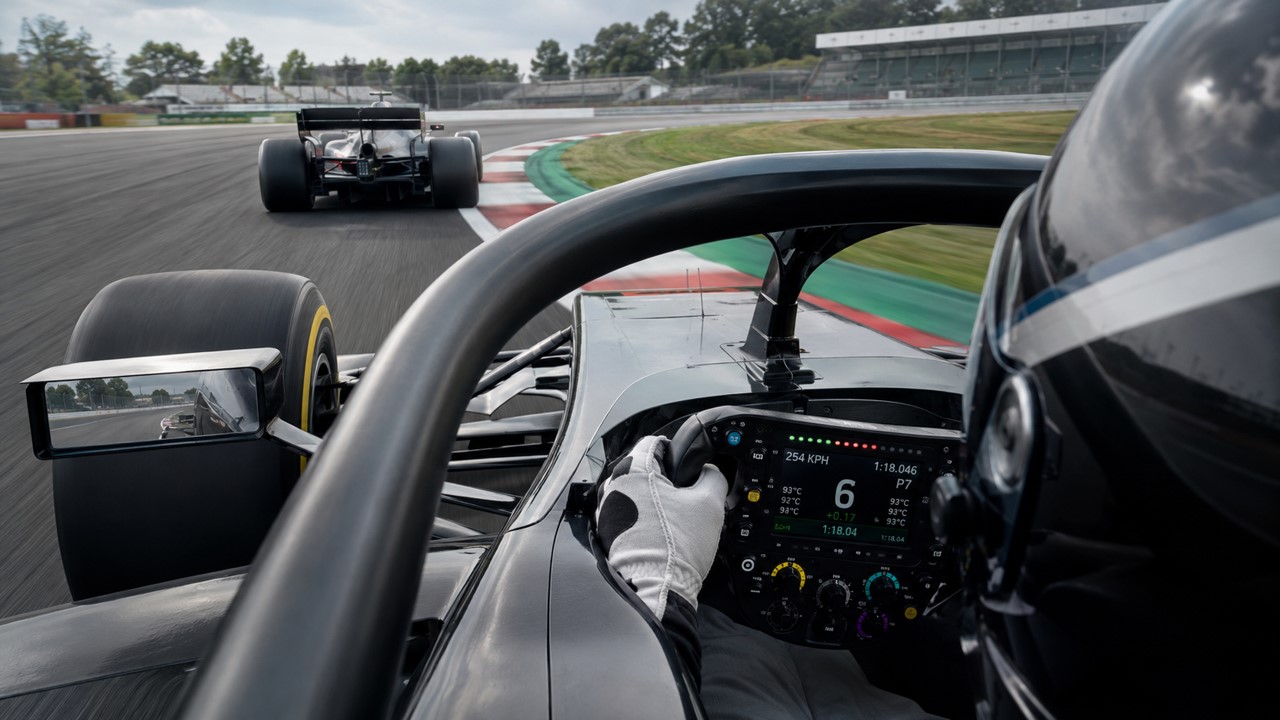
In elite motorsport, for example, sustained cognitive load must be managed continuously across a race. A brief lapse in attention, delayed decision, or misjudged cue can result in a lost position, a time penalty, or race-ending error, with no opportunity for recovery.

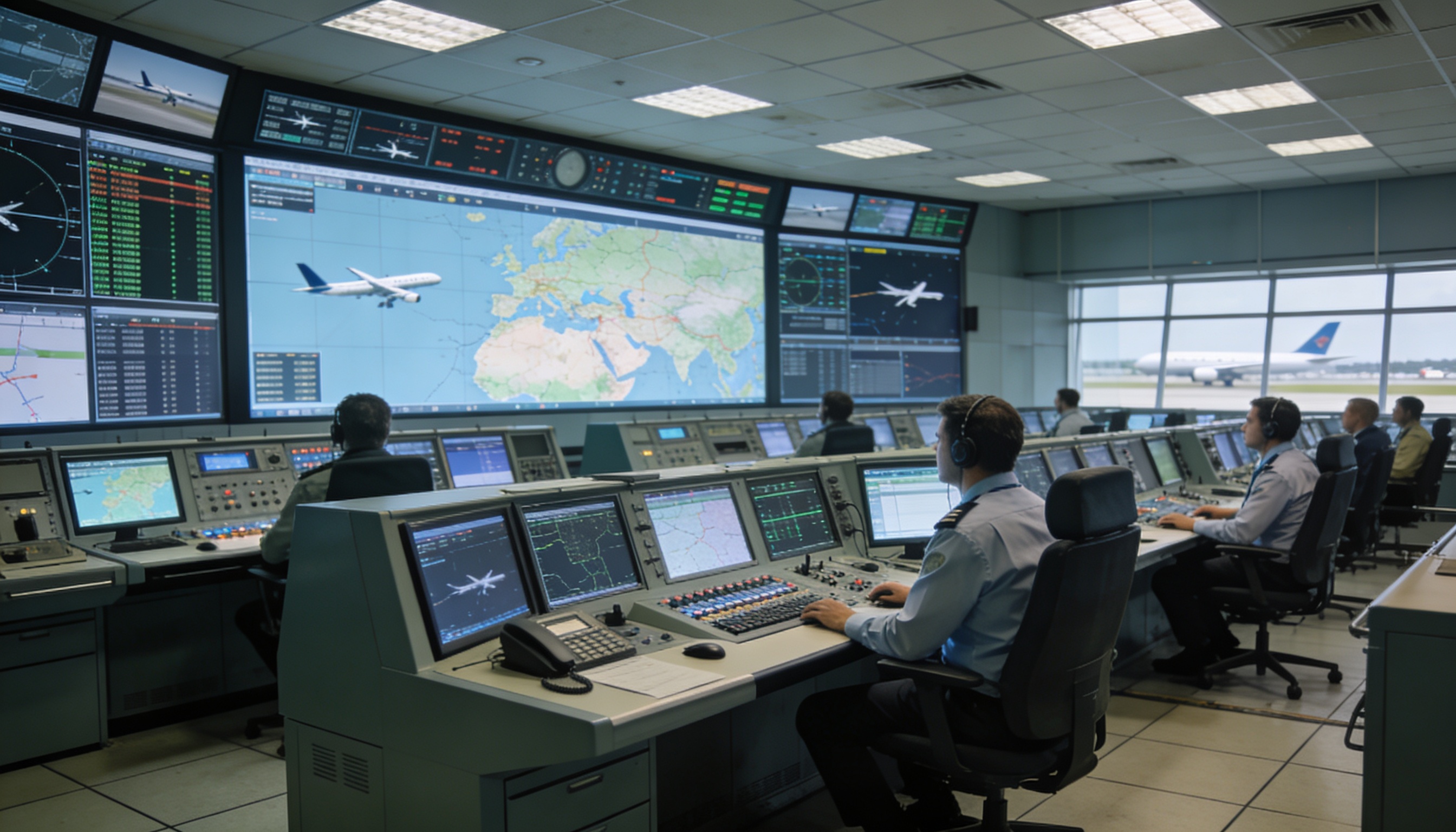
In aviation and air traffic control, decision-making unfolds across long periods of monitoring. Errors often emerge late, when sustained vigilance degrades, and even small miscalculations can propagate rapidly through complex systems.
In surgical and clinical decision-making, sustained cognitive demands extend across procedures where precision must be maintained despite duration, uncertainty, and evolving conditions. Performance changes over time can carry immediate consequences for outcomes.

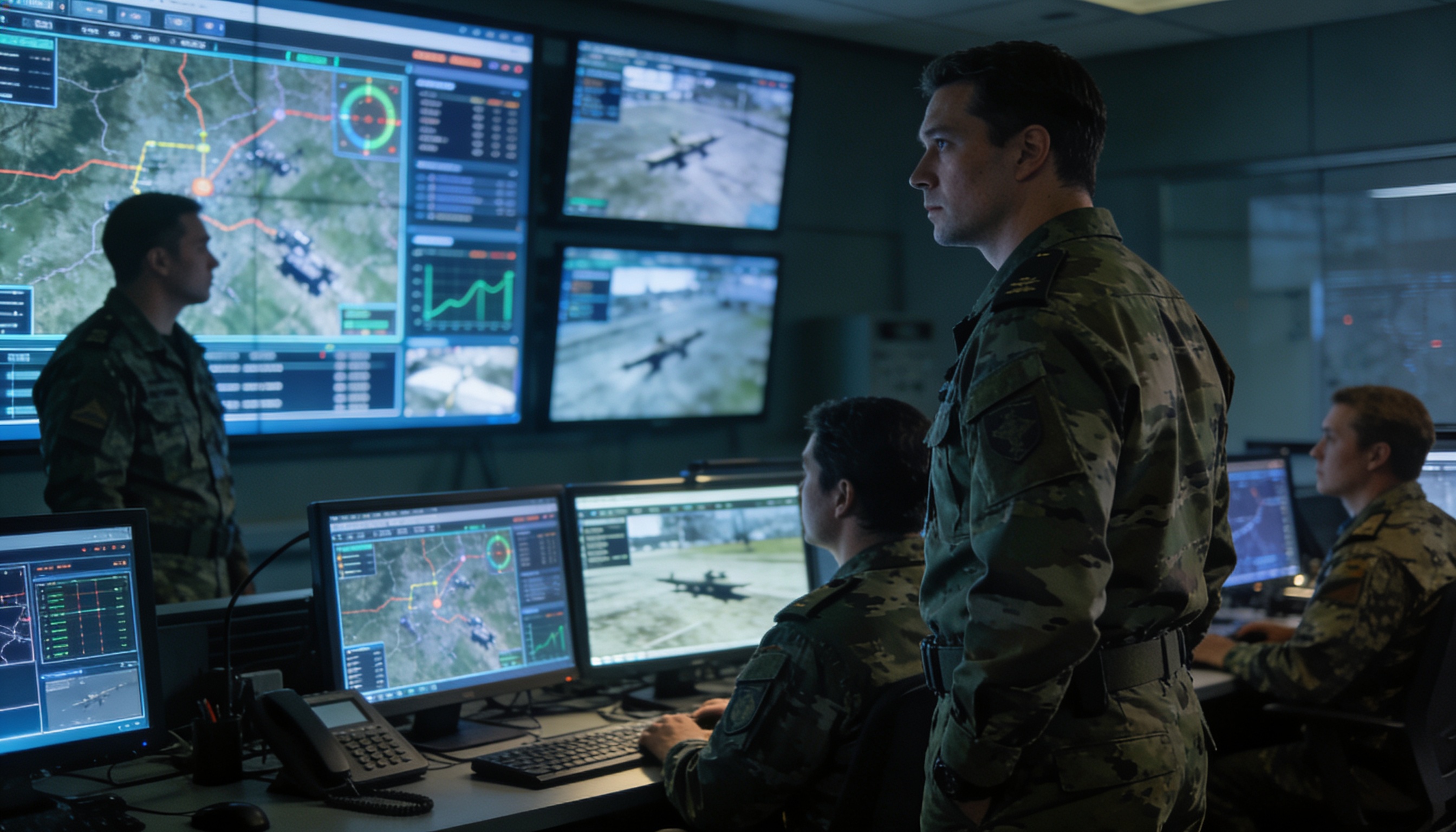
In military and operational command contexts, decisions are continuous, interdependent, and high-stakes throughout. Cognitive load accumulates across extended periods where recovery opportunities are limited and errors may cascade.
In elite esports, sustained cognitive load is expressed through continuous high-speed decision-making, attentional switching, and monitoring under competitive pressure. Small lapses in timing or focus can immediately alter outcomes, despite unchanged skill or strategy.

Across these domains, the common factor is not intensity alone, but the requirement to sustain performance under conditions where decisions consistently matter.
While the surface activities differ, the underlying cognitive structure is remarkably similar: performance must be maintained under sustained load where decisions consistently matter.
High-stakes decision environments are one of the clearest real-world expressions of Cognitive Performance Under Load, where sustained task demands alter performance dynamics over time even when underlying ability remains intact.
Understanding these environments through that framework helps explain why performance cannot be assessed reliably through short tests, early success, or isolated snapshots.
High-stakes decision environments do not simply test how capable someone is. They reveal how cognitive performance behaves when demands are continuous and consequences remain present over time.
Sustained cognitive load, not momentary difficulty, becomes the defining factor shaping performance dynamics.
Recognizing this distinction allows performance in these environments to be interpreted accurately — without attributing change to weakness, loss of ability, or lack of skill.
Welcome to the Research and Strategy Services at in today's fast-paced.
At Formula 1 speeds, performance depends on far more than fast reactions. This article explores how elite drivers prioritize information, anticipate what comes next, and continuously update the race at extreme speed.
Elite tennis returners do more than react quickly — they extract useful information before the ball is even struck. This article explores how anticipation, body cues, and rapid updating help players solve the return before the serve fully unfolds.
Elite athletes don’t need to look directly at everything to stay aware of a fast-changing play. This article explores how gaze and attention work together to monitor movement, spacing, and opportunity across the wider visual field.
NeuroTracker is one of the most widely researched cognitive training systems, used in elite sports, military, and human performance settings worldwide. Built on 20 years of neuroscience research.