

Welcome to the Research and Strategy Services at in today's fast-paced.

Modern sports medicine has traditionally focused on diagnosing injuries, reducing pain, and helping athletes return to play. While these goals remain essential, today's athletes want more. They want to perform at a higher level, recover faster, reduce injury risk, and extend their athletic careers.
Achieving these outcomes requires understanding how the brain, hormones, gut health, inflammation, recovery systems, and musculoskeletal health work together as one integrated performance network.
Peak athletic performance depends on four interconnected systems:
● Brain performance
● Recovery and systemic inflammation
● Hormonal communication
● Musculoskeletal integrity
When one system becomes impaired, the others compensate, leading to slower recovery, persistent pain, recurrent injuries, reduced performance, or shorter athletic longevity. Modern athlete care should evaluate all four systems rather than focusing only on the injured body part.
Advanced integrated athlete care recognizes that physical conditioning, brain function, hormone health, and injury prevention are interconnected. Strength and speed remain essential, but focus, reaction time, sleep quality, recovery, tissue health, and hormone balance also influence performance.
Rather than asking only, "How do we treat this injury?" clinicians should also ask, "Why did this athlete develop the injury or fail to recover?" The answer often extends beyond the joint itself to include sleep, recovery capacity, hormonal balance, nutrition, systemic inflammation, training load, and cognitive performance.
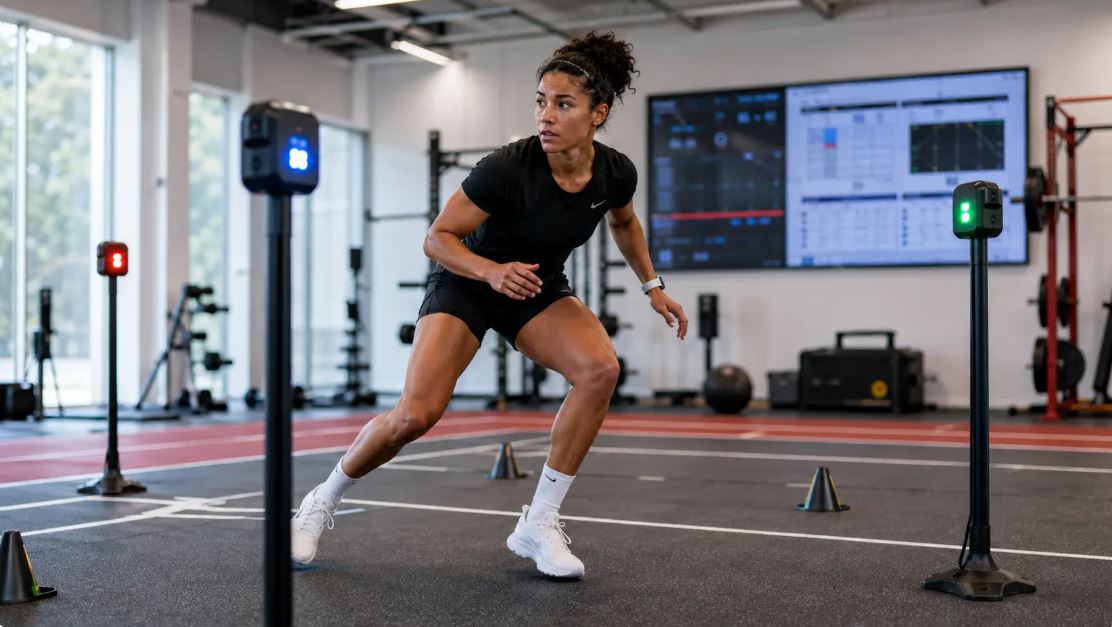
Competition demands more than physical ability. Athletes must process information quickly, ignore distractions, and make accurate decisions under pressure. Even a well-conditioned athlete may underperform if the brain cannot keep pace with the game.
Cognitive training develops skills suchas:
● Visual tracking
● Reaction speed
● Decision-making
● Attention shifting
● Sport-specific processing
These exercises strengthen focus, visual processing, reaction time, and decision-making. Elite athletes rarely lose because they lack strength; they often lose because they process information a fraction of a second slower or make poorer decisions under pressure. Training the brain has therefore become an increasingly valuable part of high-performance athlete development.
Recovery involves far more than restafter training. Behind the scenes, the body repairs tissue, restores energy, regulates stress, and prepares for the next performance. Because hormones regulate many of these processes, changes in sleep, energy, mood, recovery, orrecurring injuries should not be overlooked.
Hormone optimization should be viewed through a health-first lens. The goal is not to enhance performance beyond normal physiology but to determine whether the athlete's internal systems are supporting recovery effectively.
For athletes with persistent fatigue, recurrent injuries, poor sleep, declining performance, or prolonged recovery, a comprehensive hormone assessment may identify physiological barriers that rehabilitation alone cannot address. Restoring healthy hormone function may help improve tissue repair, regulate inflammation, maintain energy production, and enhance adaptation to physical stress.
Training creates the stimulus; recovery drives adaptation. Without adequate recovery, even the best training programs reach diminishing returns. Sleep, nutrition, stress management, inflammation control, and hormone balance all influence how efficiently athletes repair tissue and prepare for their next performance.
Gut health plays an important role innutrient absorption, immune regulation, systemic inflammation, and recovery. For athletes with persistent fatigue, recurrent injuries, or unexplained inflammatory symptoms, digestive health may be an overlooked contributor toperformance.
Regenerative medicine may support recovery in selected tendon, ligament, joint, and overuse injuries by improving the biological environment for tissue repair when healing remains delayed despite appropriate rehabilitation.
Platelet-richplasma (PRP) and other orthobiologic treatments may be considered inappropriately selected athletes with a clear diagnosis and realistic expectations. However, regenerative medicine is not a substitute for rehabilitation. Restoring strength, mobility, coordination, and confidence remain essential for a safe return to sport.
The best outcomes combine regenerative therapies with structured rehabilitation, load management, mobility training, and a gradual return-to-play program.
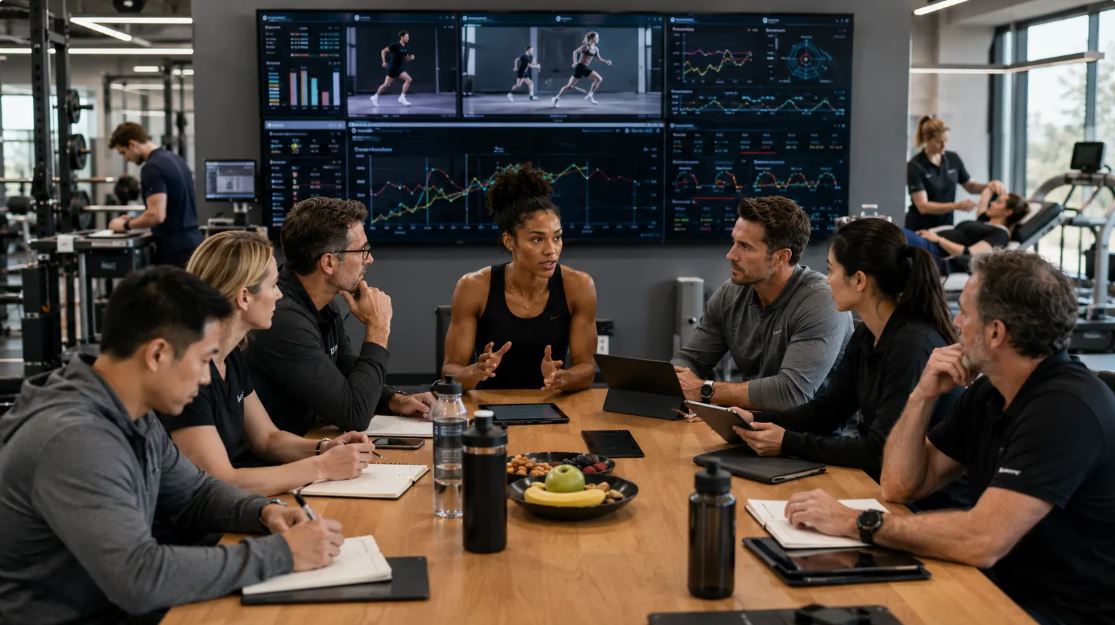
Athletes benefit from care that integrates medical, physical, cognitive, and recovery-focused expertise. Physicians, rehabilitation providers, strength coaches, cognitive training specialists, nutrition professionals, hormone specialists, psychologists, and regenerative medicine physicians each contribute a different perspective.
Working together allows the team tocreate an individualized plan that addresses the whole athlete rather than a single injury.
The future of sports medicine extends beyond treating isolated injuries. It requires understanding how the brain, endocrine system, immune system, recovery physiology, and musculoskeletal system interact to influence performance, resilience, and long-term health.
Cognitive training, hormone optimization, regenerative medicine, and structured rehabilitation should be viewed as complementary components of comprehensive athlete care. By optimizing theseinterconnected systems, athletes can improve recovery, reduce injury risk, perform more consistently, and extend their athletic careers.
Welcome to the Research and Strategy Services at in today's fast-paced.
Pilots don’t just control where the aircraft is — they continuously anticipate where it is heading next. This article explores how prediction, workload management, and future-state awareness help pilots stay ahead of the aircraft.
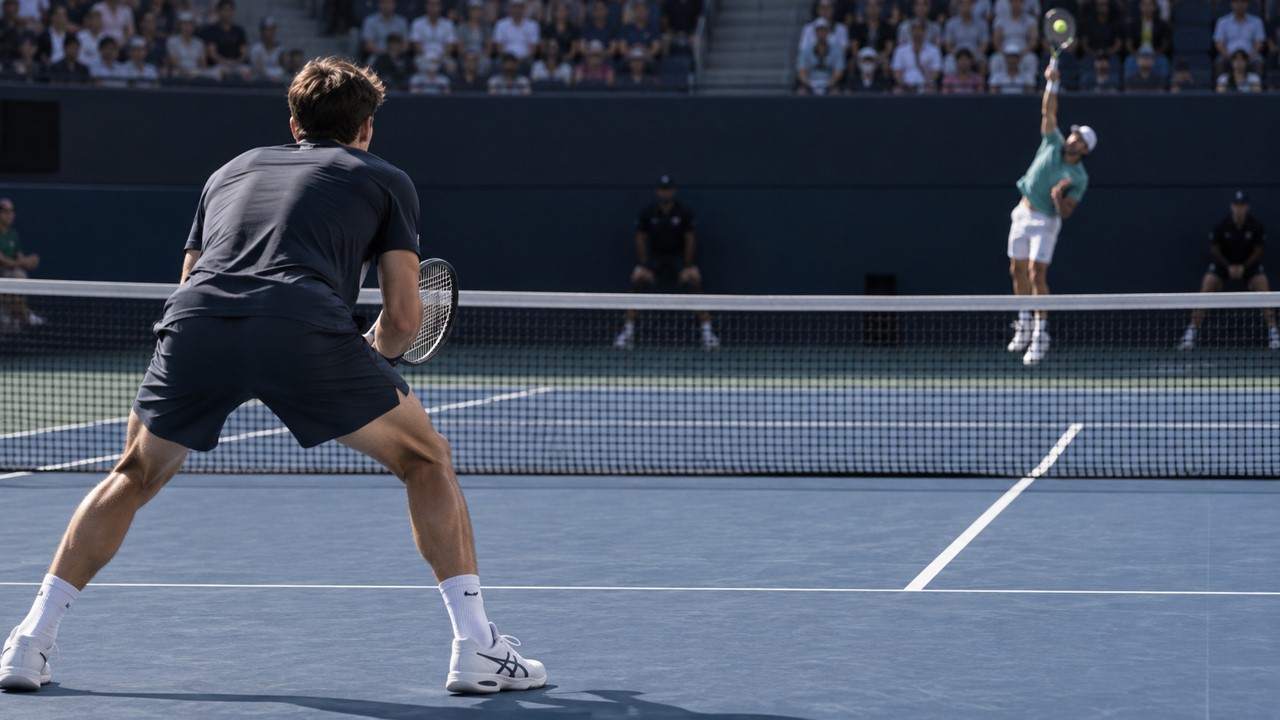
Elite tennis returners do more than react quickly — they extract useful information before the ball is even struck. This article explores how anticipation, body cues, and rapid updating help players solve the return before the serve fully unfolds.
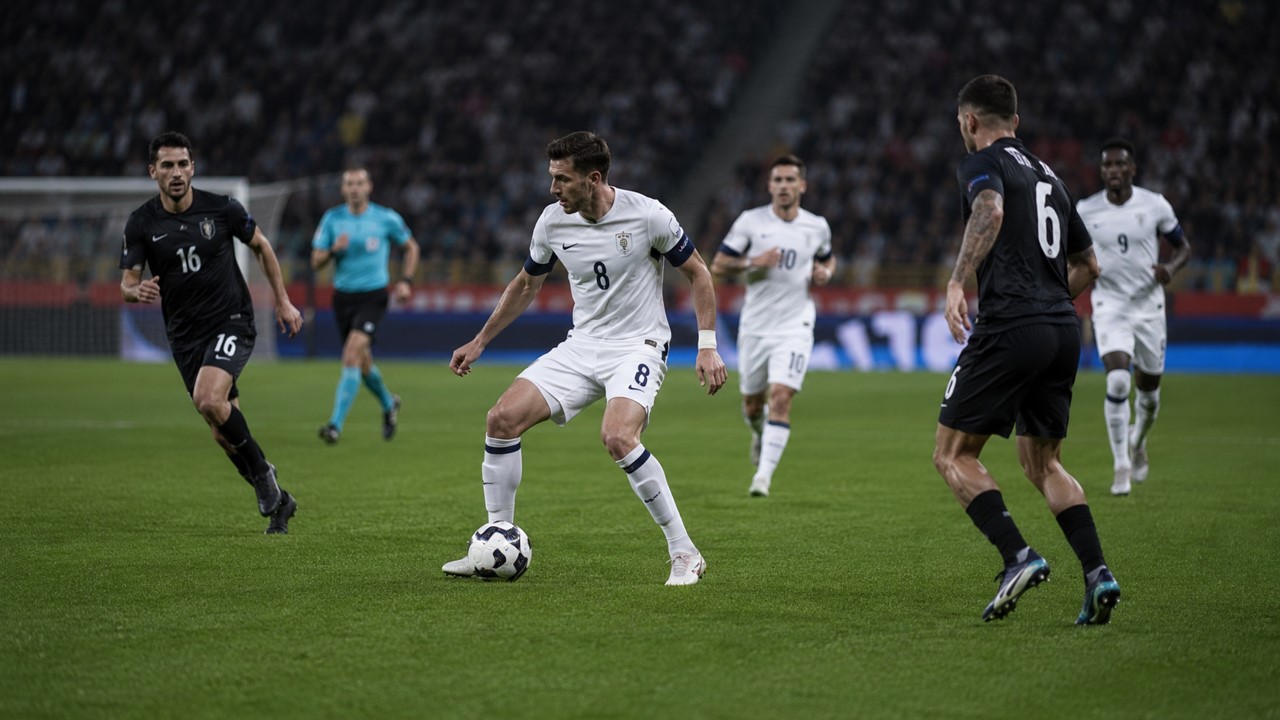
Elite athletes don’t need to look directly at everything to stay aware of a fast-changing play. This article explores how gaze and attention work together to monitor movement, spacing, and opportunity across the wider visual field.
NeuroTracker is one of the most widely researched cognitive training systems, used in elite sports, military, and human performance settings worldwide. Built on 20 years of neuroscience research.