



Welcome to the Research and Strategy Services at in today's fast-paced.
ADHD affects core cognitive systems such as attention control, working memory, mental stamina, and inhibitory regulation. While no single tool can address the full range of ADHD-related challenges, several technologies now offer practical, accessible ways to strengthen attention skills and everyday functioning.
Below are five widely used tools that support attention in different but complementary ways — cognitive training, neurofeedback, perceptual training, and attention regulation. Many clinics and families combine two or more of these tools to build a more complete support system.
👉 https://www.akiliinteractive.com/
What It Is
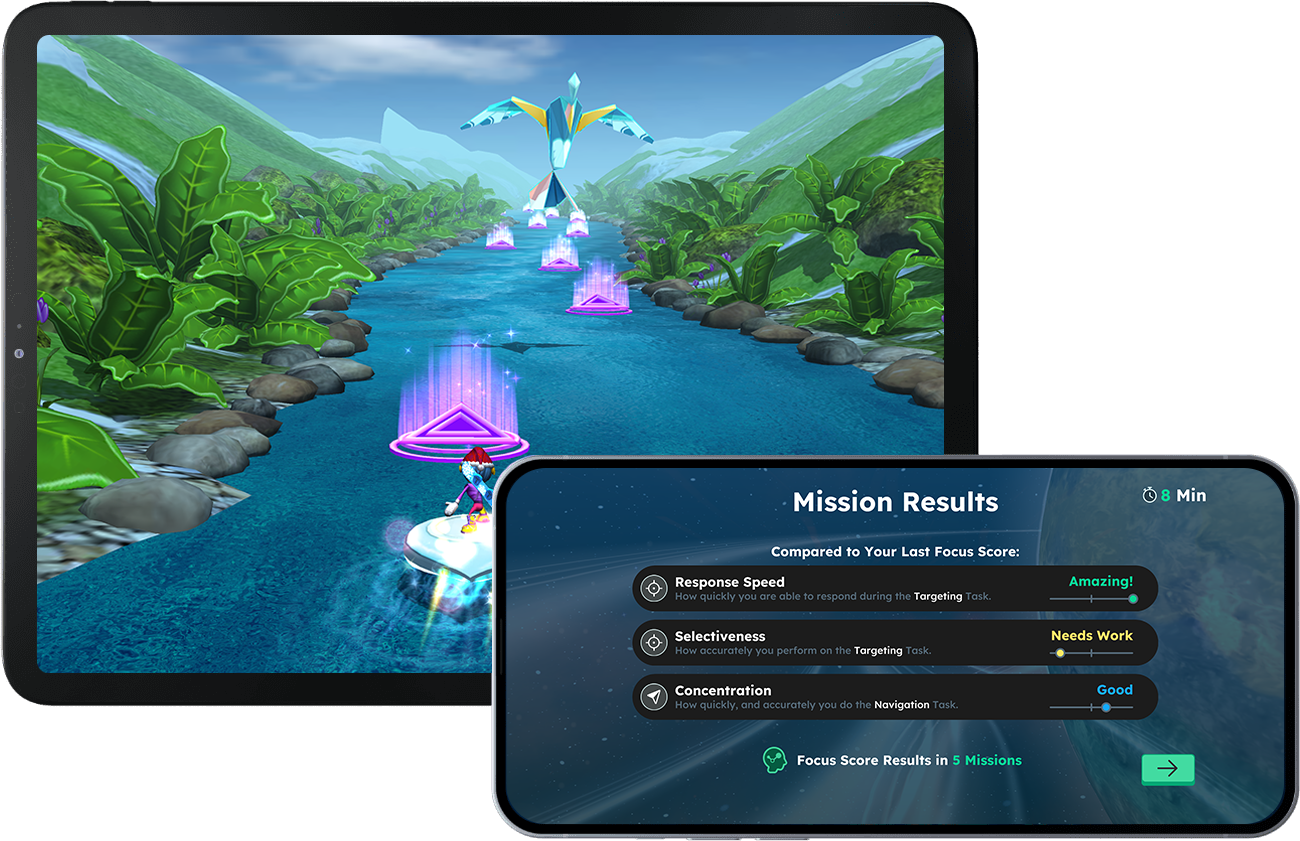
EndeavorOTC is a clinically validated video-game-based attention training program designed to improve cognitive control in adults with attention difficulties.
Why It’s Relevant to ADHD
It provides structured challenges that target sustained attention, processing efficiency, and task engagement. Because it uses a game format, it can be highly motivating for users who respond well to interactive, gamified environments.
Strengths
Considerations
What It Is
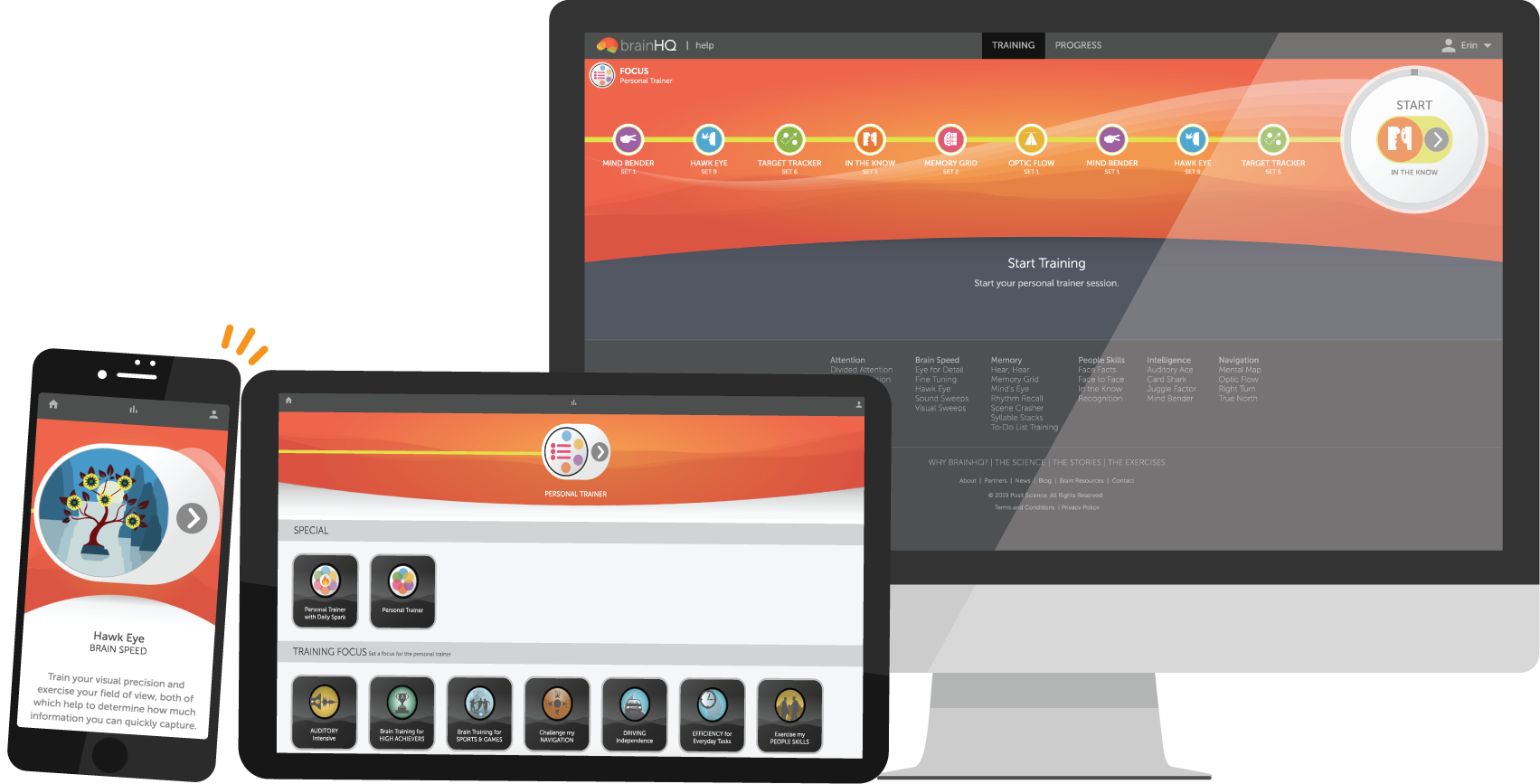
BrainHQ is a cognitive training platform developed from decades of neuroscience research, offering exercises for attention, speed of processing, and working memory.
Why It’s Relevant to ADHD
Its short, structured tasks help train the speed and accuracy of attention — useful for academic skills, reading, and everyday organization.
Strengths
Considerations
👉 https://www.neurotrackerx.com/
What It Is
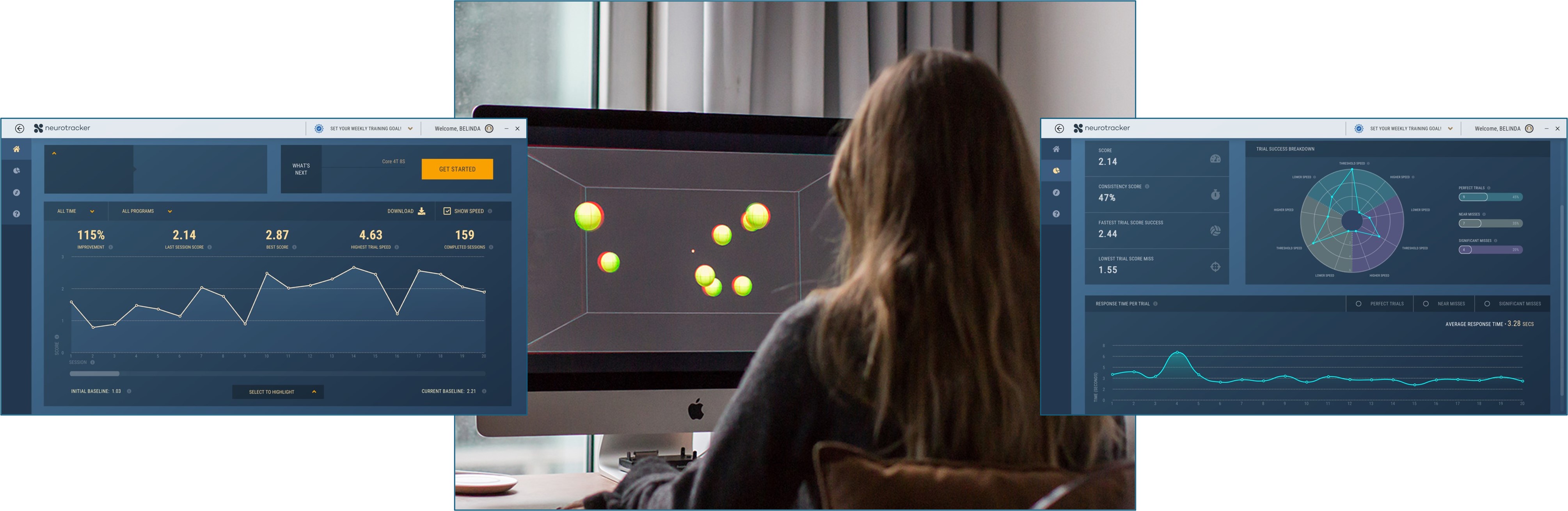
NeuroTrackerX trains attention, working memory, divided attention, and processing speed using a 3D multiple-object tracking task. Sessions take only six minutes, and difficulty adapts automatically.
Why It’s Relevant to ADHD
NeuroTrackerX targets several cognitive domains commonly affected in ADHD, including:
Because it is short, engaging, and non-verbal, many children and adults with ADHD find it easier to complete consistently.
Strengths
Considerations

What It Is
Muse is an EEG-based headband that guides users through focus and calming exercises using real-time brainwave feedback.
Why It’s Relevant to ADHD
ADHD isn’t only about distraction — it often involves difficulty regulating nervous-system arousal (too activated or under-activated). Muse helps users practice:
Strengths
Considerations
What It Is
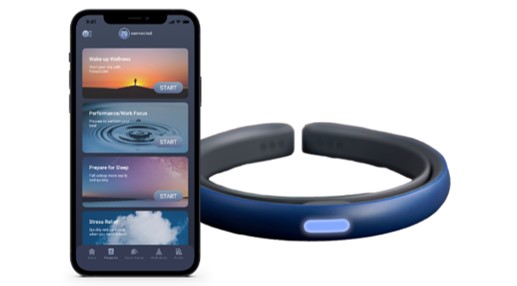
FocusCalm is an EEG headband that provides a real-time “focus/calm score,” helping users train a balanced, controlled mental state through guided neurofeedback.
Why It’s Relevant to ADHD
Maintaining mental balance can reduce impulsivity and improve task engagement. FocusCalm offers short neurofeedback sessions that are accessible for teens and adults.
Strengths
Considerations
One of the most effective approaches for ADHD support is combining complementary tools instead of relying on a single system. Here are useful pairings:
A powerful combination under exploration by partners:
Together they support both the physiological and cognitive sides of attention.
Great for students and adult learners.
Strong combination for teens and young adults.
These tools are commonly used by:
Each tool can be adapted to individual needs and schedules.
Do any of these tools treat ADHD?
No. These are cognitive and self-regulation tools that support attention skills but do not diagnose or treat ADHD.
What age can children start?
Most tools are suitable from ages 6–7, depending on instruction-following ability.
How many times should someone train per week?
A typical pattern is 3–5 short sessions per week, especially for NeuroTrackerX, Muse, and BrainHQ.
Can these tools replace medication or therapy?
No. They can complement clinical care but do not replace treatment.
Are these tools safe for home use?
Yes — all are non-invasive, safe, and designed for routine use. NeuroTrackerX and Muse both have research supporting remote or home-based application.
What’s the best starting point?
Most families or clinics begin with one attention tool and one regulation tool (e.g., NeuroTrackerX + Muse or FocusCalm).
Welcome to the Research and Strategy Services at in today's fast-paced.
Longevity habits are easier to sustain when they become part of shared routines, relationships, and meaningful challenges. Social motivation, identity, feedback, and participation can help healthy behaviors become more durable over time.
Attention can become crowded long before it feels overloaded. This article explores how unfinished tasks, background priorities, and everyday demands can quietly occupy attention and shape performance.
Longevity is increasingly about more than living longer—it’s about preserving the capacity to live well for longer. This article explores why healthspan is becoming the practical focus of modern healthy aging.
NeuroTracker is one of the most widely researched cognitive training systems, used in elite sports, military, and human performance settings worldwide. Built on 20 years of neuroscience research.