



Welcome to the Research and Strategy Services at in today's fast-paced.
You might have done it hundreds of times. Typing a password. Driving a regular route. Following a routine at work.
It feels automatic. Reliable. Almost impossible to get wrong.
And then it happens.
A small mistake. Something obvious. Something you wouldn’t expect to miss.
The common assumption is that familiarity should prevent errors.
If you know the task well, performance should be stable.
But familiarity does not remove mistakes.
It changes how the task is carried out—and how it can go wrong.
Familiar tasks feel consistent because the underlying pattern is known.
You don’t need to think through each step in detail.
You recognize the situation and move through it smoothly.
This creates a sense of stability:
From this perspective, errors seem unlikely. If something goes wrong, it feels like an exception rather than part of the process.
But this sense of stability depends on something that often goes unnoticed.
It depends on the environment staying aligned with the pattern you expect.
Familiar tasks rely on recognition.
You’re not reconstructing the task from scratch each time.
You’re matching what you see to what you’ve seen before.
This works when the situation closely matches the expected pattern.
But even small changes in context can disrupt that match.
A slight difference in timing.
A subtle change in layout.
An unexpected variation in sequence.
These changes don’t make the task unfamiliar.
They make it almost familiar.
And that is where mistakes occur.
Instead of adjusting fully to the new context, the task is often executed based on the expected pattern. Information that doesn’t fit that pattern may not be fully processed.
As a result:
The mistake is not random.
It reflects a mismatch between expectation and the current context.

When a task is familiar, processing becomes more selective.
Attention is guided by what is expected to happen, not just what is present.
This means:
Small environmental or contextual changes can therefore have a disproportionate effect.
For example:
The task itself hasn’t changed significantly.
But the way information is processed within that task has.
Execution is shaped by the interaction between expectation and current input.
When those are not fully aligned, performance can shift in subtle but meaningful ways.

Daily routines
Even simple actions, like preparing or buying foods or assembling something, can go wrong when tools or ingredients are arranged differently than usual.
Typing and digital tasks
You enter a familiar password or command but make an error when the interface looks slightly different or when the sequence is interrupted.
Routine workflows
At work, repeating a known process can lead to mistakes when a small variation is introduced—like a different order of steps or a missing element.
Navigation and driving
On a familiar route, a minor change—such as a detour or altered traffic flow—can lead to an incorrect turn because the expected pattern is still guiding behavior.
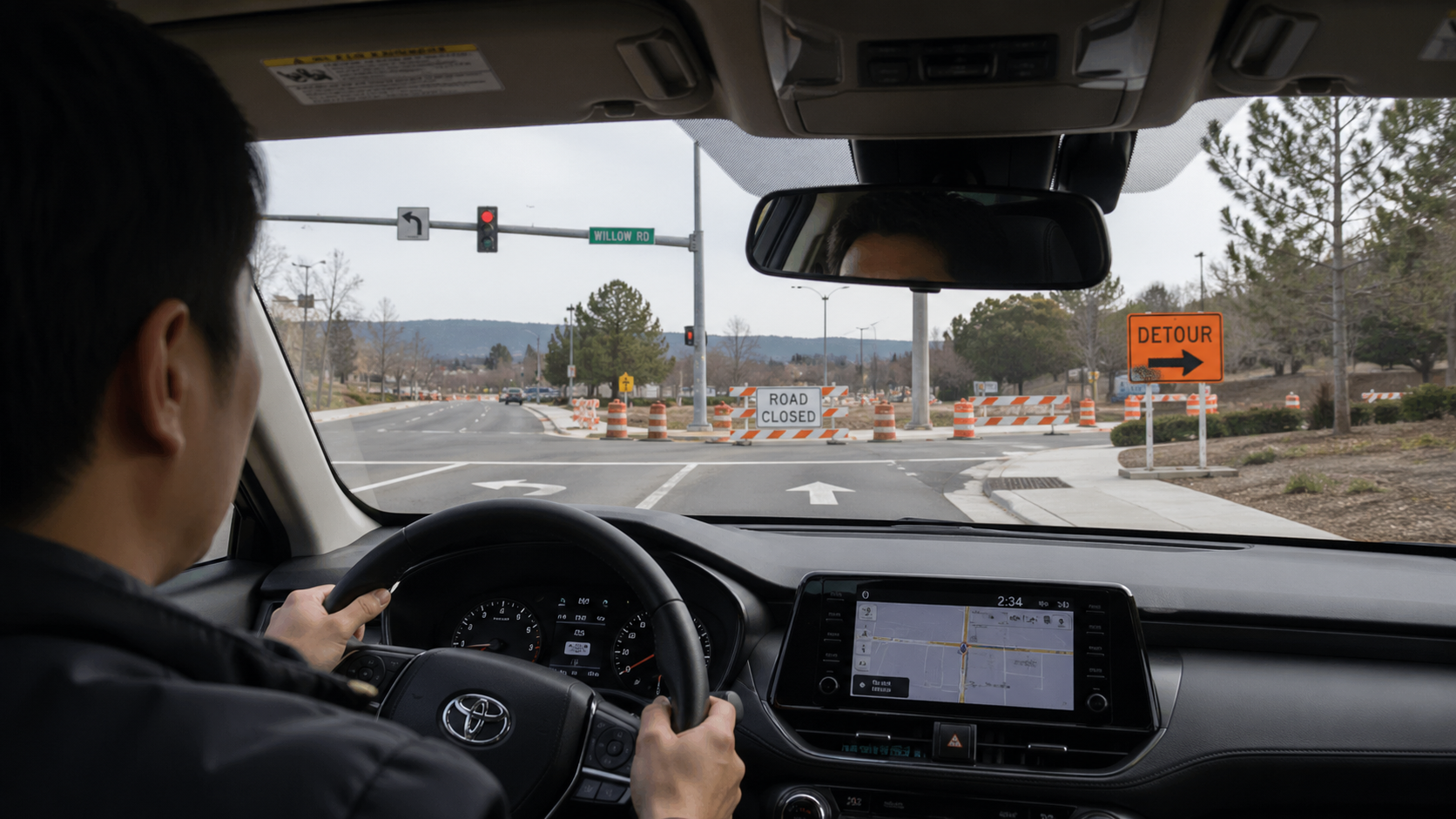
In each case, the task feels familiar.
But the context has shifted just enough to change how it is processed.
Familiarity does not eliminate errors.
It changes how information is used during execution.
When a task becomes familiar:
Mistakes occur when the expected pattern no longer fully matches the situation.
They are not a breakdown of ability.
They are a result of how the task is structured and interpreted in context.
When an unexpected mistake happens in a familiar task, it can feel surprising.
It shouldn’t be.
Familiarity creates efficiency, but it also shapes what gets noticed and how actions unfold.
And when the environment shifts—even slightly—that structure can lead to outcomes you didn’t expect.
Welcome to the Research and Strategy Services at in today's fast-paced.
Elite athletes don’t need to look directly at everything to stay aware of a fast-changing play. This article explores how gaze and attention work together to monitor movement, spacing, and opportunity across the wider visual field.
Learn how modern sports medicine extends beyond treating isolated injuries with multidimensional rehabilitation approaches.
Learn how soccer penalty saves are so demanding, and why they require perceiving critical predictive cues from the kicker's body before ball contact even occurs.
NeuroTracker is one of the most widely researched cognitive training systems, used in elite sports, military, and human performance settings worldwide. Built on 20 years of neuroscience research.