

Welcome to the Research and Strategy Services at in today's fast-paced.
You’re focused on something important—reading a document, following a conversation, or watching something unfold in front of you.
You’re paying attention. Fully engaged.
And yet, something obvious gets missed.
A key detail. A change right in front of you. Something that, in hindsight, feels like it should have been impossible to overlook.
The common assumption is that paying attention guarantees awareness.
If you’re focused, you should notice what matters.
But in practice, attention does not work that way.
It feels intuitive that attention should capture important information.
If you’re concentrating, you expect to take in what’s relevant. The idea is simple: the more attention you apply, the more you should see.
When something is missed, it’s often explained as a lapse—something must have gone wrong with focus.
This reinforces the belief that attention is like a spotlight that, once directed, reveals everything within its range.
But attention is not a passive receiver of information.
It is a selective process.

Paying attention does not mean taking in everything that is visible or available.
Attention filters information.
At any given moment:
This means that even when you are fully attentive, you are not processing everything.
You are processing what has been selected.
This selection shapes what enters the decision process.
If a detail is not selected:
This is why something can be “obvious” in hindsight but missed in the moment.
It was available, but it was not selected.
Attention does not guarantee awareness.
It determines what becomes available for awareness in the first place.

Reading a document
You might read a page carefully but miss a typo or repeated word. The text is visible, but attention is directed toward meaning, not every individual detail.
Following a conversation
While listening closely, you might miss a specific word or phrase. Your attention is focused on the overall message, which filters out lower-level details.
Driving
Even when focused on the road, a driver can miss a sign or a change in the environment. Attention is directed toward certain elements—like other vehicles or lane position—while other visible information is not selected.
Sports performance
Athletes often focus on key cues—such as the movement of an opponent or the position of the ball. Other elements in the environment may be clearly visible but not processed because they are outside the current focus of selection.

Everyday situations
You might be looking directly at something—like an object on a table—and still not notice it because your attention is directed toward something else in the scene.
Paying attention does not guarantee that important information will be noticed.
Attention works by selecting what gets processed.
As a result:
What is missed is not always outside your view.
It may simply be outside what your attention has selected.
When something obvious is missed, it can feel like a failure of attention.
But the issue is not always how much attention is applied.
It is how attention is directed—and what it selects.
What you notice is not just what is there.
It is what your attention allows into the process of understanding and decision-making.
Welcome to the Research and Strategy Services at in today's fast-paced.
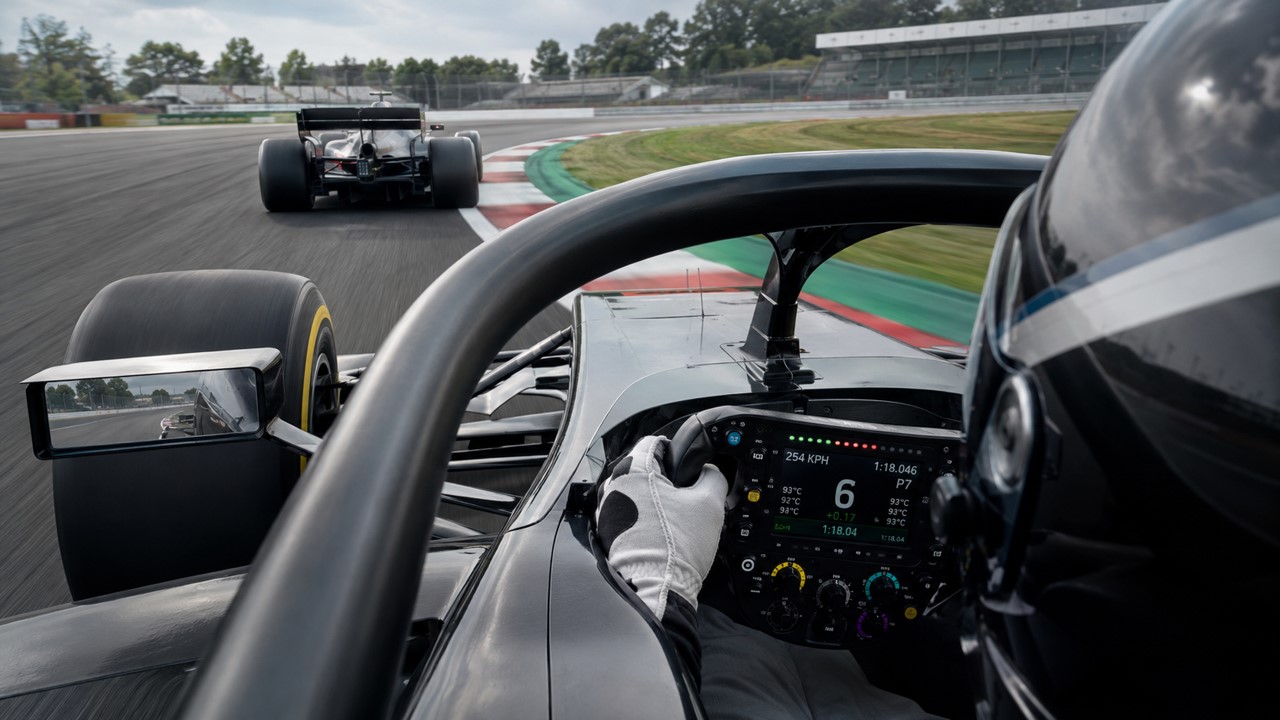
At Formula 1 speeds, performance depends on far more than fast reactions. This article explores how elite drivers prioritize information, anticipate what comes next, and continuously update the race at extreme speed.
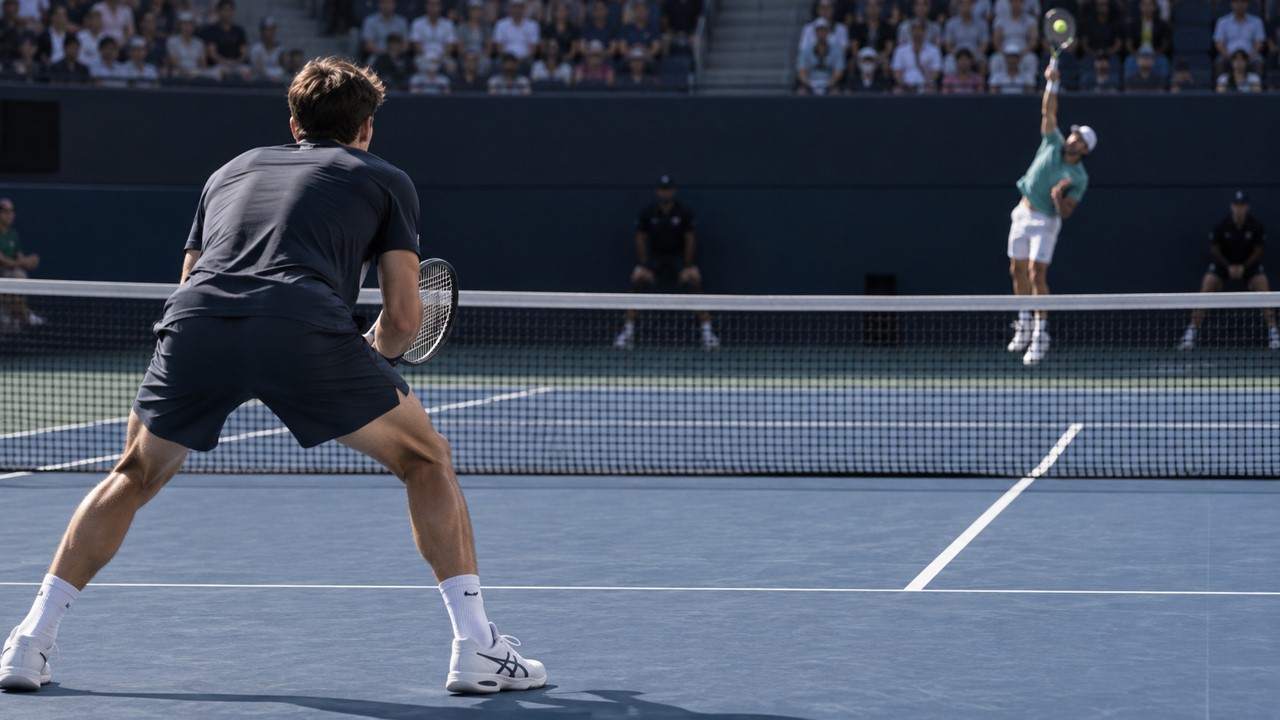
Elite tennis returners do more than react quickly — they extract useful information before the ball is even struck. This article explores how anticipation, body cues, and rapid updating help players solve the return before the serve fully unfolds.
Elite athletes don’t need to look directly at everything to stay aware of a fast-changing play. This article explores how gaze and attention work together to monitor movement, spacing, and opportunity across the wider visual field.
NeuroTracker is one of the most widely researched cognitive training systems, used in elite sports, military, and human performance settings worldwide. Built on 20 years of neuroscience research.