


Welcome to the Research and Strategy Services at in today's fast-paced.
17 December 2015
THE CONTROVERSIAL IDEA that you can “train” a human brain to get smarter or faster has spread through the worlds of elite athletics and brain-trauma recovery. Now it’s going to boot camp. Military leaders, aware that troops face ever-more complicated threats and ever-more complicated gear, are starting to think that brain training might be just as important as pushups.
At the recent “Mad Scientist” talks at Fort Leavenworth, and in white papers like the Army’s Human Dimensions Concept report (PDF), psychologists and neuroscientists who work with the military are starting to borrow the sports/trauma playbook. Right now, most of the work is still only in the lab, but researchers predict that soon army bases will have “cognitive gyms” where off-duty fighters can flex their gray matter with a test designed to increase short-term memory, boost their ability to deal with multiple things at once—that’s called “cognitive load”—and maybe even get better at shooting their weapons.
Welcome to the Research and Strategy Services at in today's fast-paced.
Elite athletes often anticipate an opponent’s next move before the action fully unfolds. This article explores how reading subtle body movements helps experts predict actions, reduce uncertainty, and respond ahead of time.
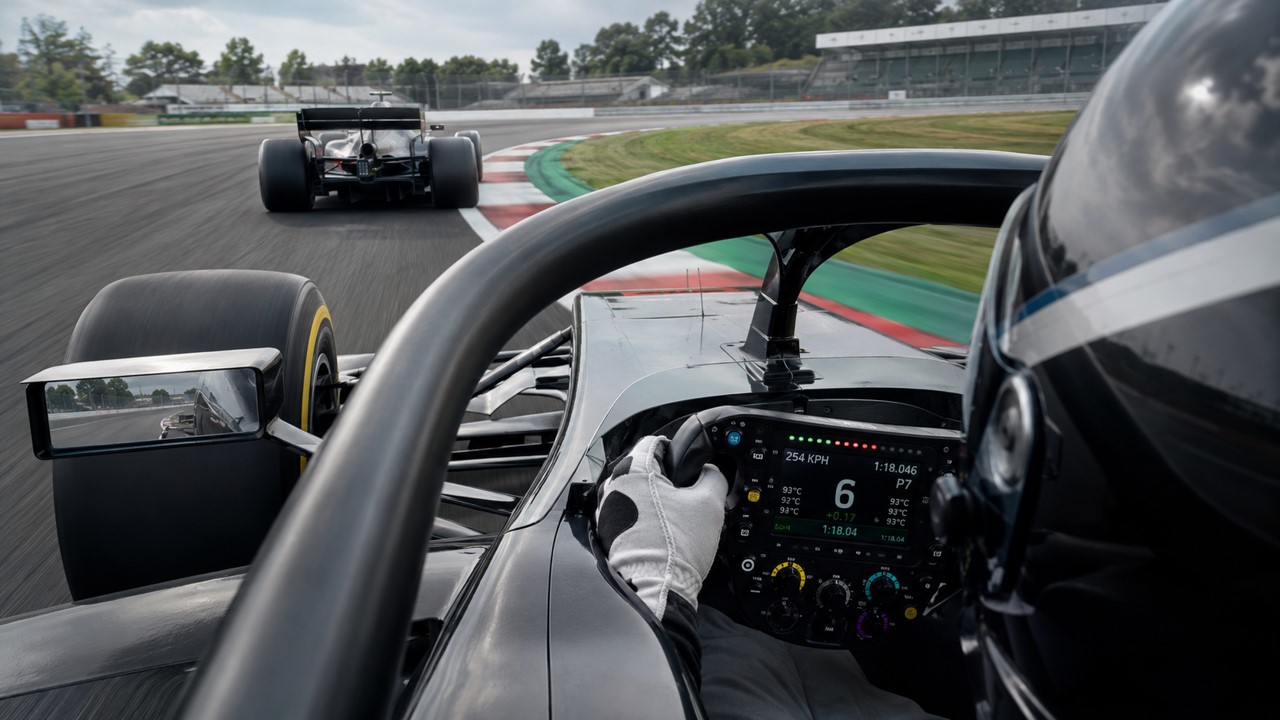
At Formula 1 speeds, performance depends on far more than fast reactions. This article explores how elite drivers prioritize information, anticipate what comes next, and continuously update the race at extreme speed.
Elite tennis returners do more than react quickly — they extract useful information before the ball is even struck. This article explores how anticipation, body cues, and rapid updating help players solve the return before the serve fully unfolds.
NeuroTracker is one of the most widely researched cognitive training systems, used in elite sports, military, and human performance settings worldwide. Built on 20 years of neuroscience research.