NeuroTracker has been tried and tested by many independent research centres across the world. Discover the diverse research published with our searchable database
Published Research Papers
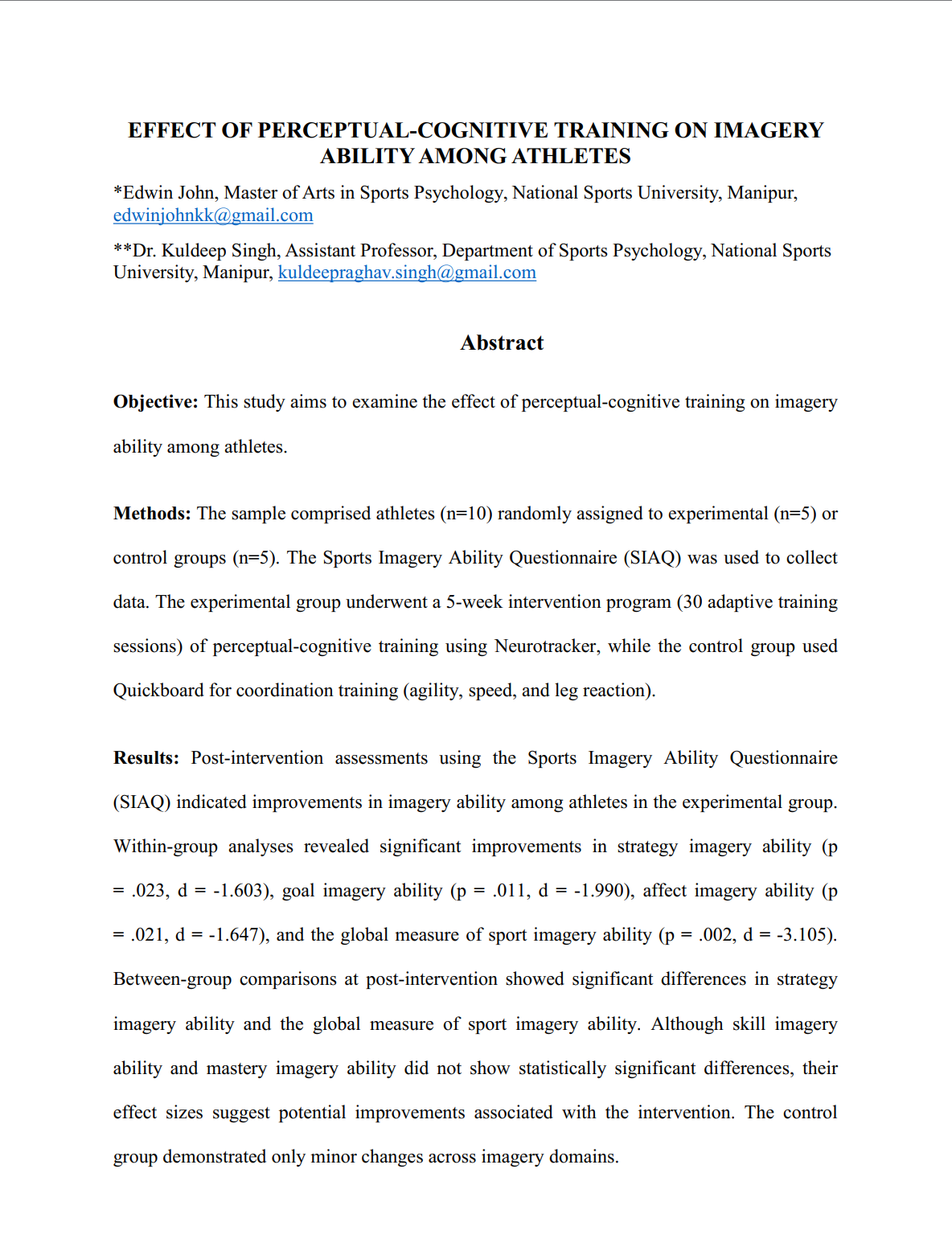
Research Institutes Using NeuroTracker
Issued Patents and Patents Pending
To examine the short and long term effects of Donepezil (DPZ) pharmacological enhancement (trade mark ‘Aricept’) on cognitive functions and learning related neuroplasticity.
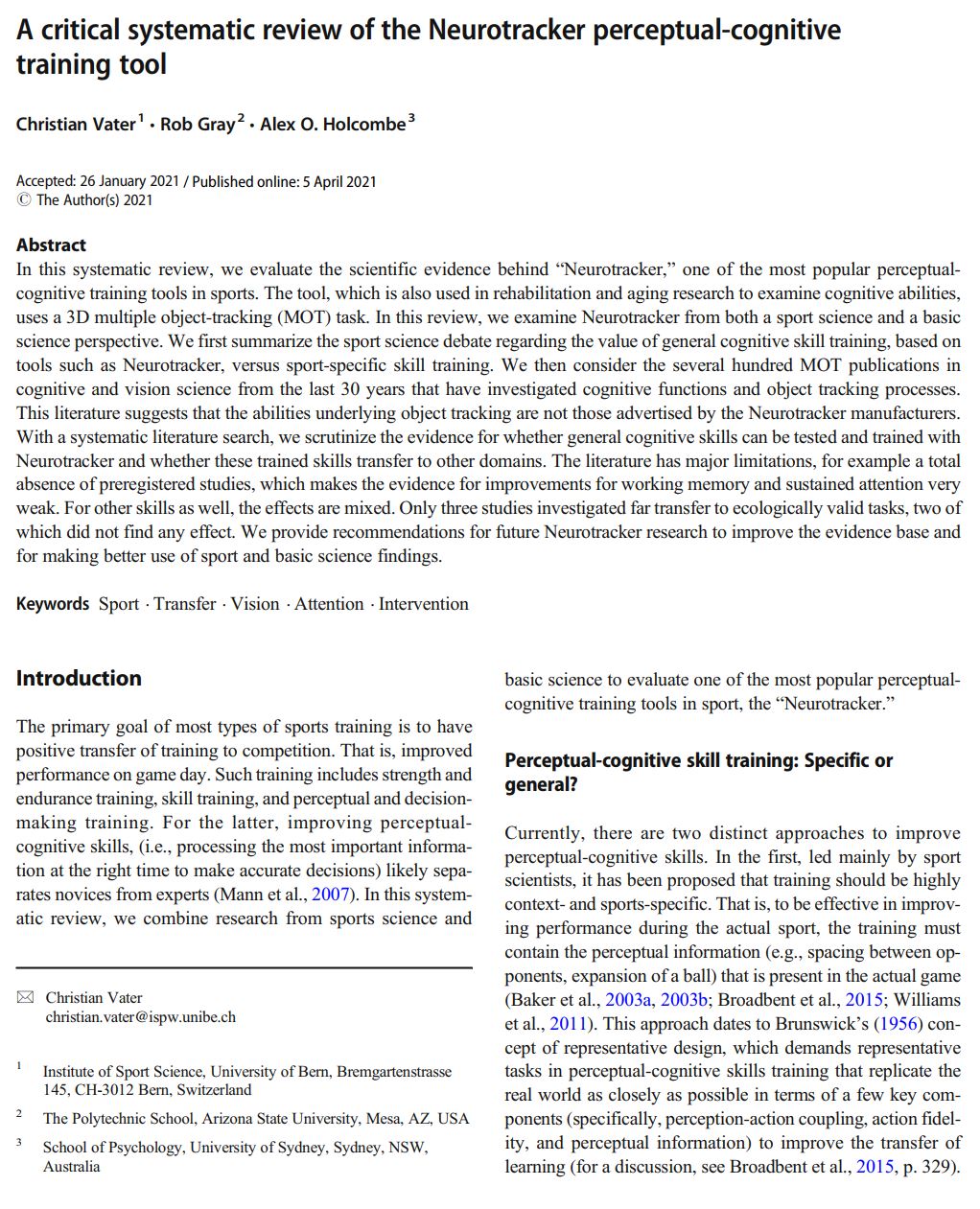
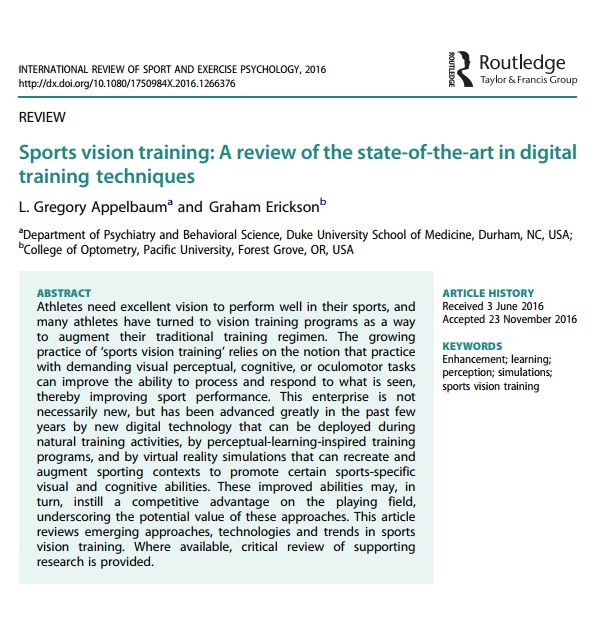
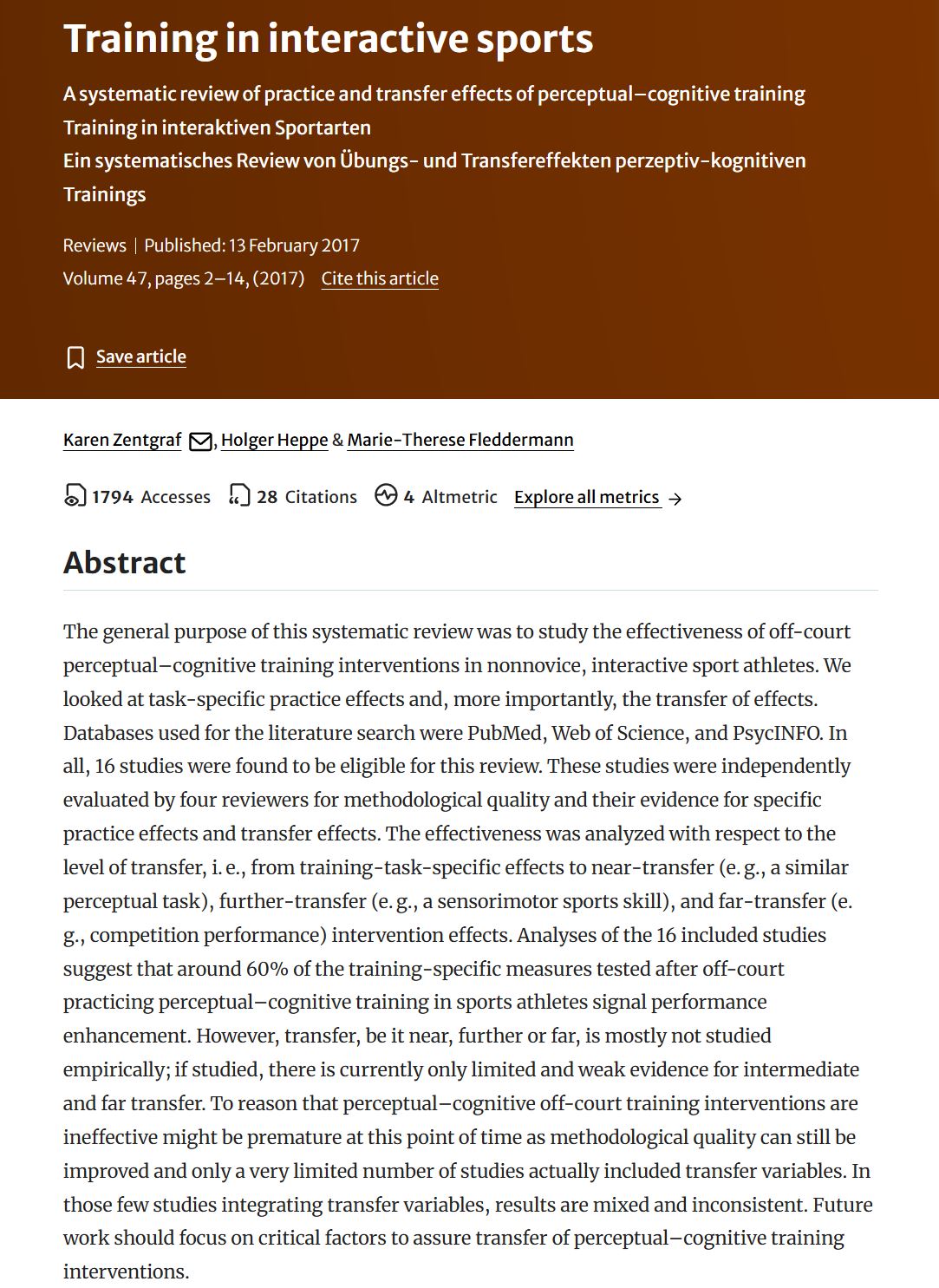
A systematic review of perceptual-cognitive training paradigms in interactive sports, evaluating practice designs and evidence for transfer to performance outcomes.
To synthesize evidence from studies investigating perceptual-cognitive training in interactive sports settings, assessing both practice architectures and transfer effects to sport performance.
NeuroTracker baselines as a measure of spatial awareness correlate significantly with moderate intensity running during competitive rugby play.
This exploratory study sought to evaluate the relationship between spatial awareness, agility, and distance covered as measured by GPS.
A 3-session NeuroTracker baseline assessment (20-mins) effectively predicts simulated surgery performance metrics.
To examine the relationship between NeuroTracker and simulated laparoscopic surgery skills, in order to investigate the role of high-level cognitive skills in this performance domain.
A 12 month NeuroTracker and memory training program improves cognitive abilities and quality of life outcomes for an elderly individual with memory problems.
This case report sought to examine in detail the effects of a combined intervention program (NeuroTracker and Memory Training) for recovering memory and attentional functions in an older individual.
A 3-hour NeuroTracker training intervention significantly reduces elderly fall-risk across a battery of standardized assessments.
To investigate if NeuroTracker training could positively influence a number of assessments known to be reliable indicators of fall-risk in older adults.
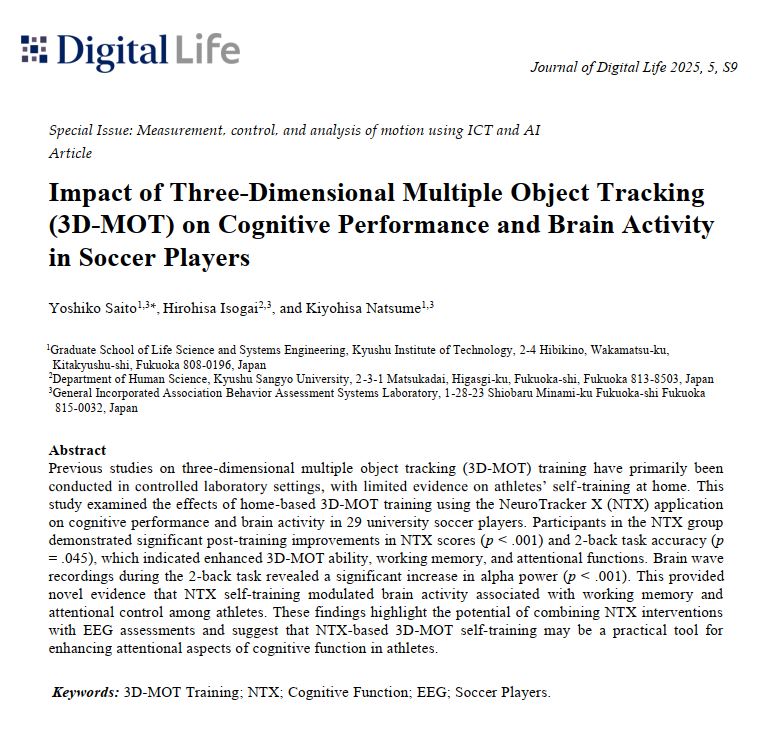
A review of several NeuroTracker sports studies finds NeuroTracker to be a role model cognitive tool for improving soccer performance.
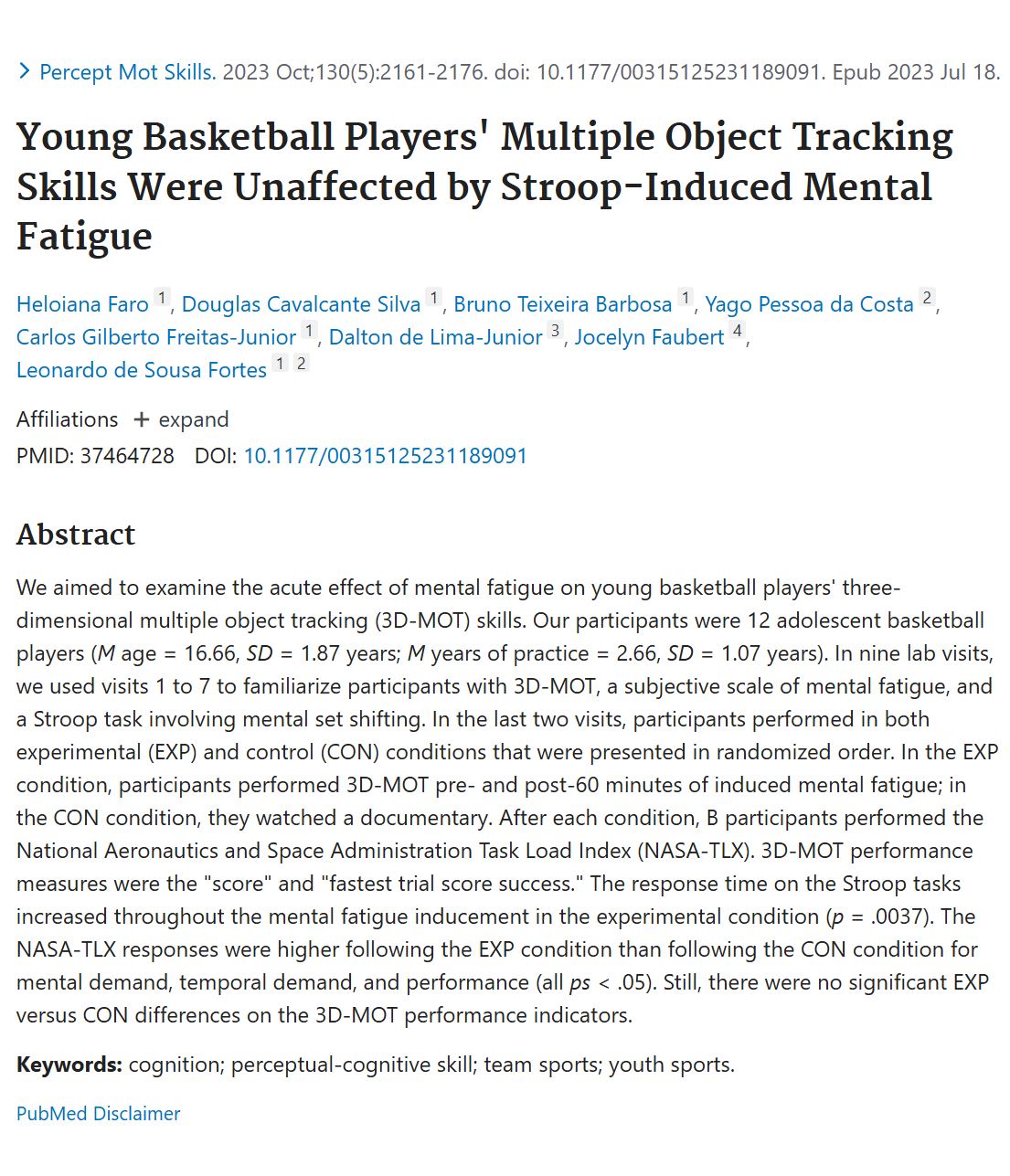
To review the existing perceptual-cognitive research and outline the relevance of NeuroTracker for the performance assessment and enhancement of competitive soccer abilities.
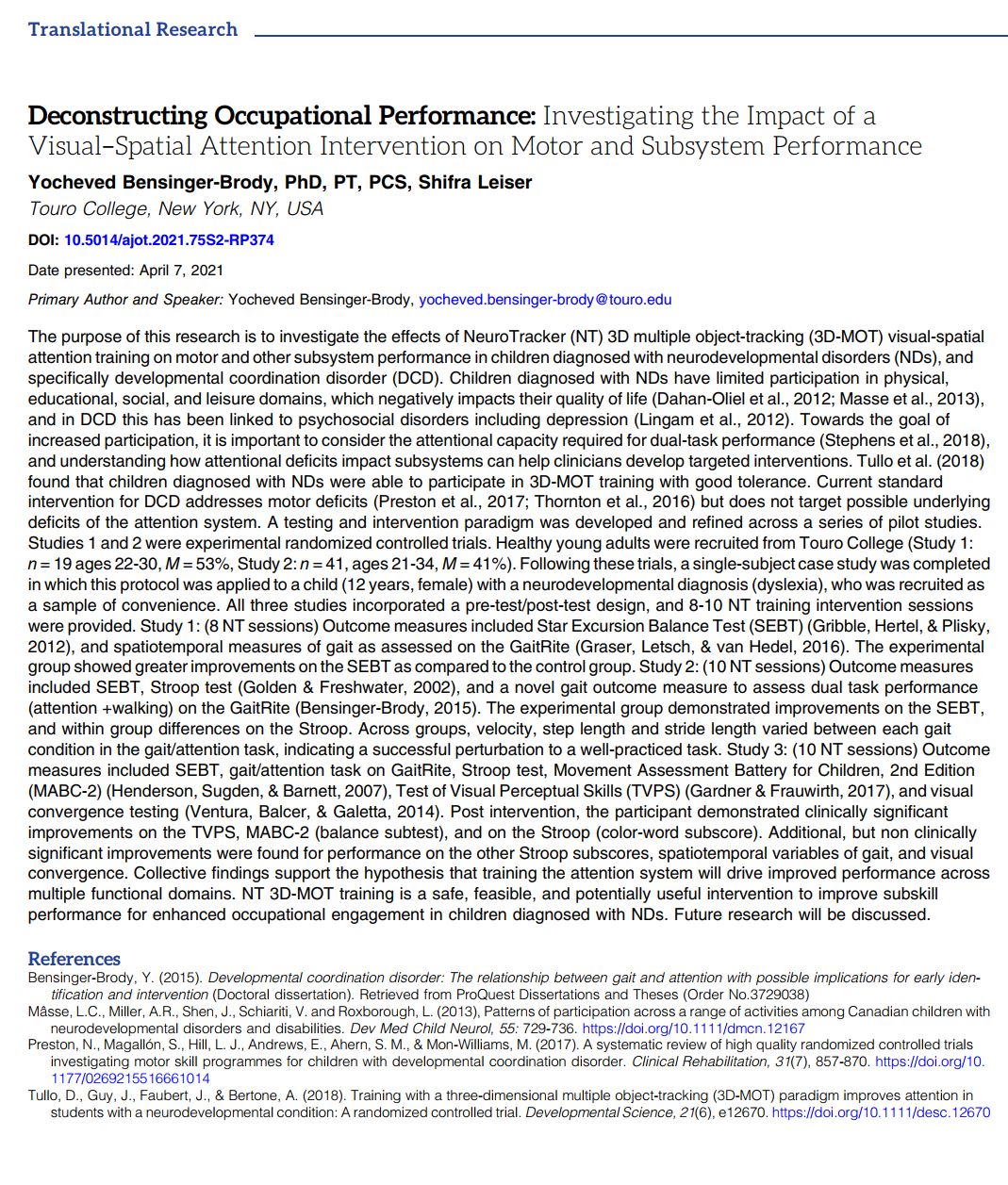
Pilot study findings show significant improvements in multiple attentional capacities for elementary students with pre-established attentional challenges.
This was a pilot study with a selection of elementary school children based on test measures showing significant attention problems and impulse control, but not clinically diagnosed as ADHD. The purpose of this pilot study was to see if NeuroTracker has the potential be an efficacious short-term intervention for young students with severe attention impairments, based on changes in standardised neuropsychological assessments.
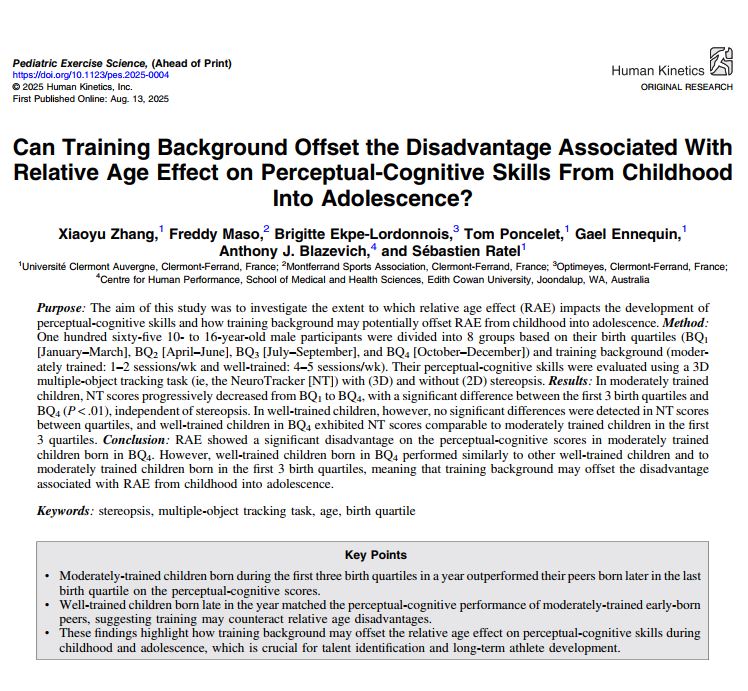
NeuroTracker measures performed at different numbers of targets can be useful in characterizing attentional capacities in different populations.
This study sought to investigate the resource limits for dynamic visual attention across age development using NeuroTracker speed thresholds as a measure of attentional capacity.
NeuroTracker and reaction time measures reveal the effectiveness of different hydration modalities under severe physical fatigue.
To examine the effects of different rehydration strategies on cognitive performance under the effects of physical fatigue.
2.6-hours of NeuroTracker training significantly improves visual abilities and sports vision skills in Olympic tennis, taekwondo, and water polo athletes.
To analyze the effectiveness of NeuroTracker training to improve sports vision and cognitive performance using a progressive single and dual-task training protocol.
7 days of NeuroTracker training significantly enhances spatial abilities and semantics skills in young students.
To assess if the mechanism of perceptual-cognitive training can transfer to spatial and semantic abilities in students.
NeuroTracker baselines pre-post exercise until exhaustion qualify the effectiveness of different hydration methods.
The purpose of this study was to examine the effect of the L-Alanyl-L-Glutamine dipeptide (AG) and electrolyte drink (ED) on cognitive function (NeuroTracker) following endurance exercise, in order to measure the effects of rehydration effectiveness.
Attention and feedback are known to play critical roles in learning. This preliminary study sought to assess the benefits of instant feedback within NeuroTracker task performance.
Several studies have shown that aerobic exercise can slow age-related cognitive decline, and in some cases, improve cognitive function in the older population. The purpose of this study was to investigate for the first time, the effects of resistance training on cognitive function, as measured by changes in NeuroTracker measures.
To investigate the ‘selfish brain hypothesis’, which suggests the brain prioritizes its own glucose needs over those of the peripheral organs such as skeletal muscle, using individual and dual-task assessments with NeuroTracker and exercise on a cycle ergometer.
To compare performance and muscle architecture changes in starters and nonstarters during a National Collegiate Athletic Association Division I women's soccer season.
NeuroTracker pre-post baselines reveal the positive effects of a season of collegiate soccer play on perceptual-cognitive functions.
To examine physiological and cognitive differences between starters and non-starters in women’s soccer over the course of a season.

NeuroTracker is one of the most widely researched cognitive training systems, used in elite sports, military, and human performance settings worldwide. Built on 20 years of neuroscience research.