

Welcome to the Research and Strategy Services at in today's fast-paced.
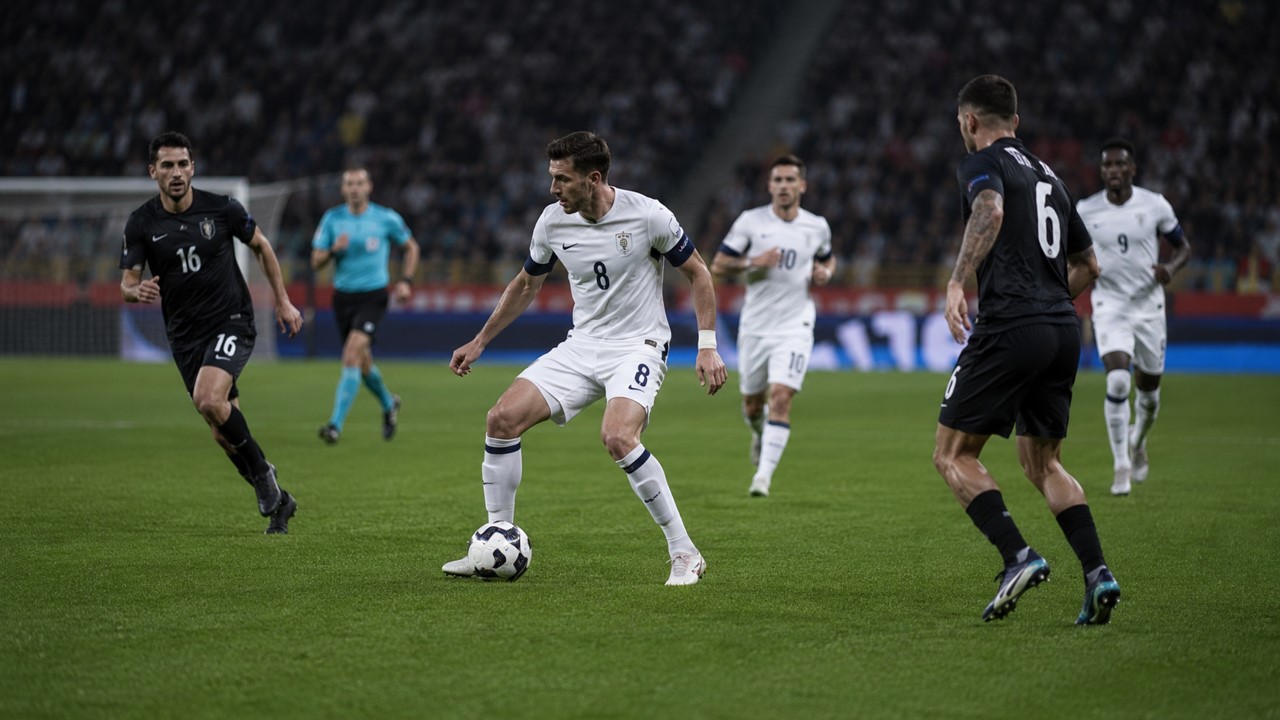
What's the difference between good athletes and the true great sports stars like Matt Ryan, Cristiano Ronaldo and Steph Curry? They all have great sports vision and sports science has taken notice. Sports vision, or 'neurovision' training has been taking off big-time in recent years, with many professional coaches seeing it as the next frontier in performance enhancement. But what is sports vision training, why is it becoming so popular, and what is the science behind it how it boosts situational awareness and decision-making? Here are 3 key blogs to answer these questions and help you get clued-up in a matter of minutes.
A blend of optometry, sports vision training, and brain training, the neurovision approach is a sophisticated new way to enhance athletic performance. This blog covers the basics and how it applies to pro athletes.
Read the full blog here.
In the same way that an athlete improves sports performance by training the body for strength and endurance, visual skills can be improved and enhanced through a wide range of conditioning techniques. This blog covers how the key principles are being applied by specialists and why the benefits are evolving a new caliber elite athletes.
Read the full blog here.
Situational awareness is critical for making game-winning decisions under pressure. In fast paced-sports, if you can make efficient and accurate decisions based on your visual processing, then you literally can't compete. This two part special first covers the conceptual principles and neuroscience behind this approach, and then goes deeper into why peripheral vision is such a critical performance factor.
Read the part 1 of the blog here.
Read part 2 of the blog here.
We hope you found this blogs insightful. If you're also interested in how to apply NeuroTracker for sports vision training, then checkout our NeuroTracker 101 as a great place to start.
Welcome to the Research and Strategy Services at in today's fast-paced.
Pilots don’t just control where the aircraft is — they continuously anticipate where it is heading next. This article explores how prediction, workload management, and future-state awareness help pilots stay ahead of the aircraft.
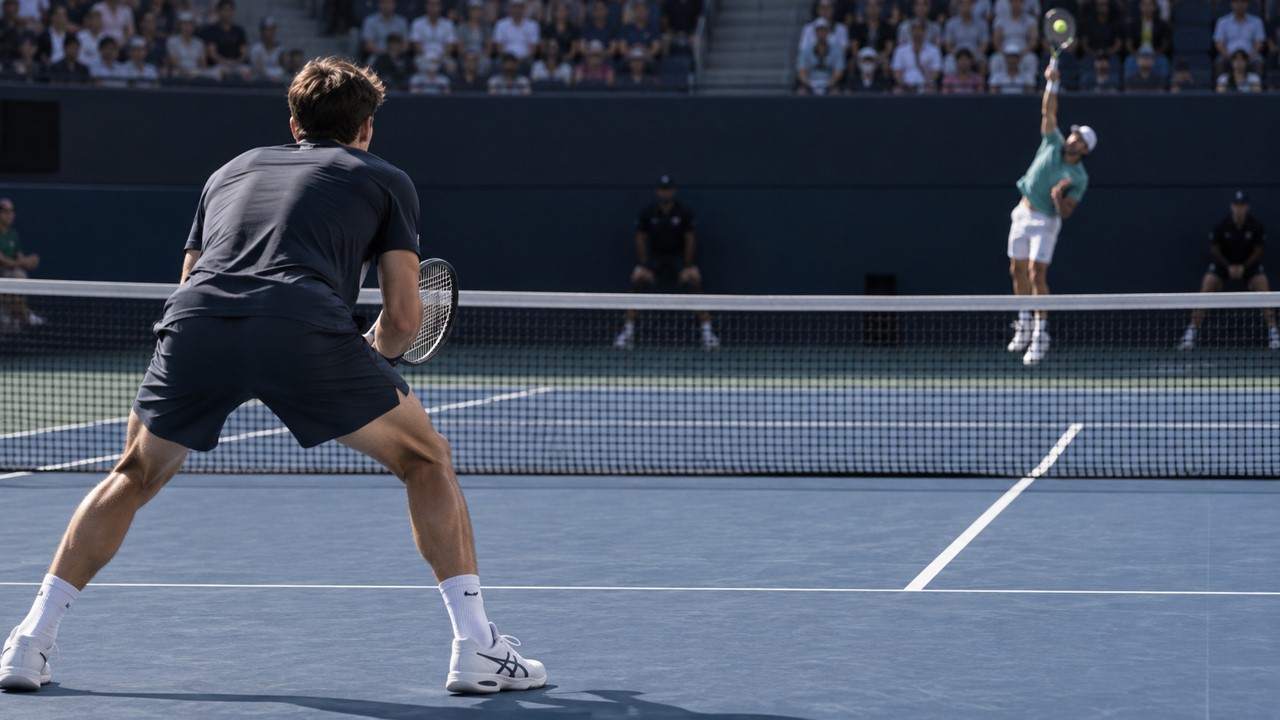
Elite tennis returners do more than react quickly — they extract useful information before the ball is even struck. This article explores how anticipation, body cues, and rapid updating help players solve the return before the serve fully unfolds.
Elite athletes don’t need to look directly at everything to stay aware of a fast-changing play. This article explores how gaze and attention work together to monitor movement, spacing, and opportunity across the wider visual field.
NeuroTracker is one of the most widely researched cognitive training systems, used in elite sports, military, and human performance settings worldwide. Built on 20 years of neuroscience research.