

Welcome to the Research and Strategy Services at in today's fast-paced.
Peripheral vision—the ability to see and interpret what’s happening outside your direct line of sight—is an essential skill in many sports. It allows athletes to be aware of their surroundings, anticipate opponents' movements, and make strategic decisions. As NBA legend Larry Bird famously noted,
"A player’s vision is what separates good from great."
Here are the 5 sports that rely heavily on peripheral vision.

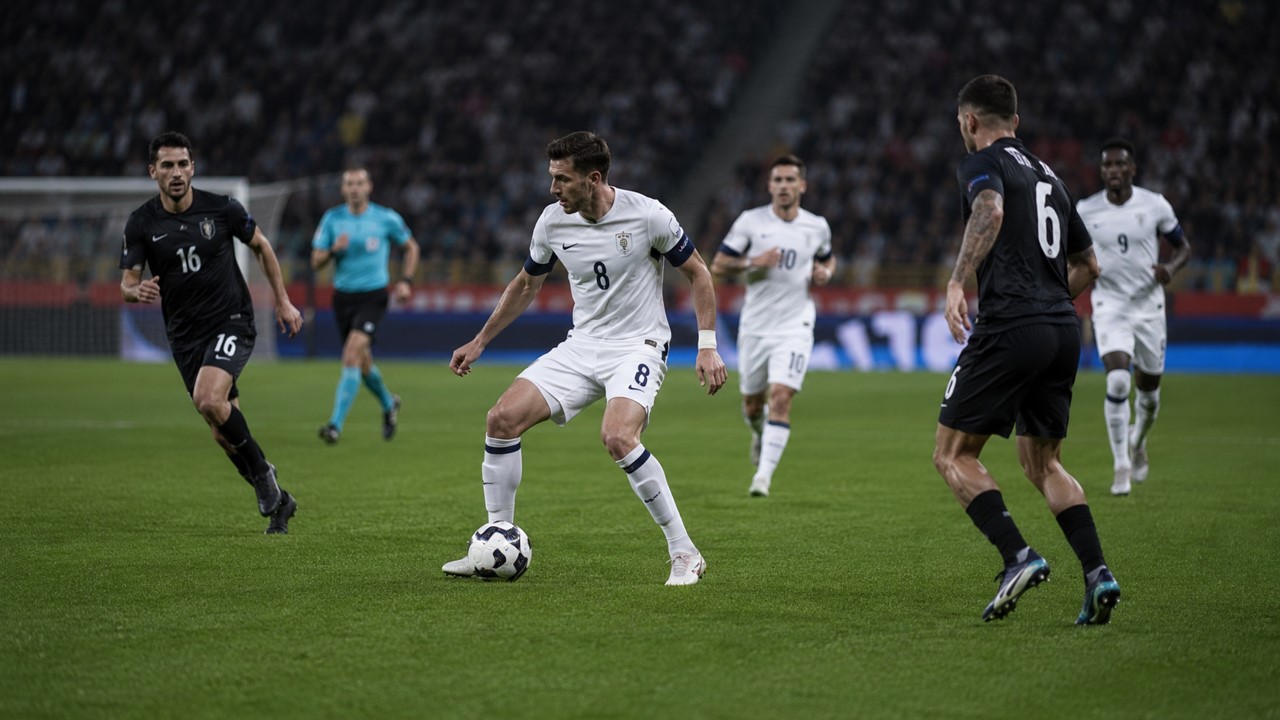
Soccer players must constantly track the ball, teammates, and opponents while maintaining focus on the broader field. Peripheral vision enables split-second decisions, like finding an open teammate for a pass or spotting a defender’s movement. Players like Kevin De Bruyne are celebrated for their ability to "see" the entire field, creating opportunities others might miss.

In basketball, players rely on peripheral vision to read defenses, track teammates’ positions, and identify scoring opportunities. Point guards, in particular, must constantly scan the court while dribbling and orchestrating plays. Magic Johnson’s ability to deliver no-look passes is a perfect example of exceptional peripheral vision in action.

Hockey players need to maintain awareness of the puck, teammates, and opponents in a fast-moving and physically demanding environment. Peripheral vision helps them anticipate plays and avoid collisions. Wayne Gretzky’s uncanny "sixth sense" on the ice was largely a result of his extraordinary ability to perceive everything happening around him.

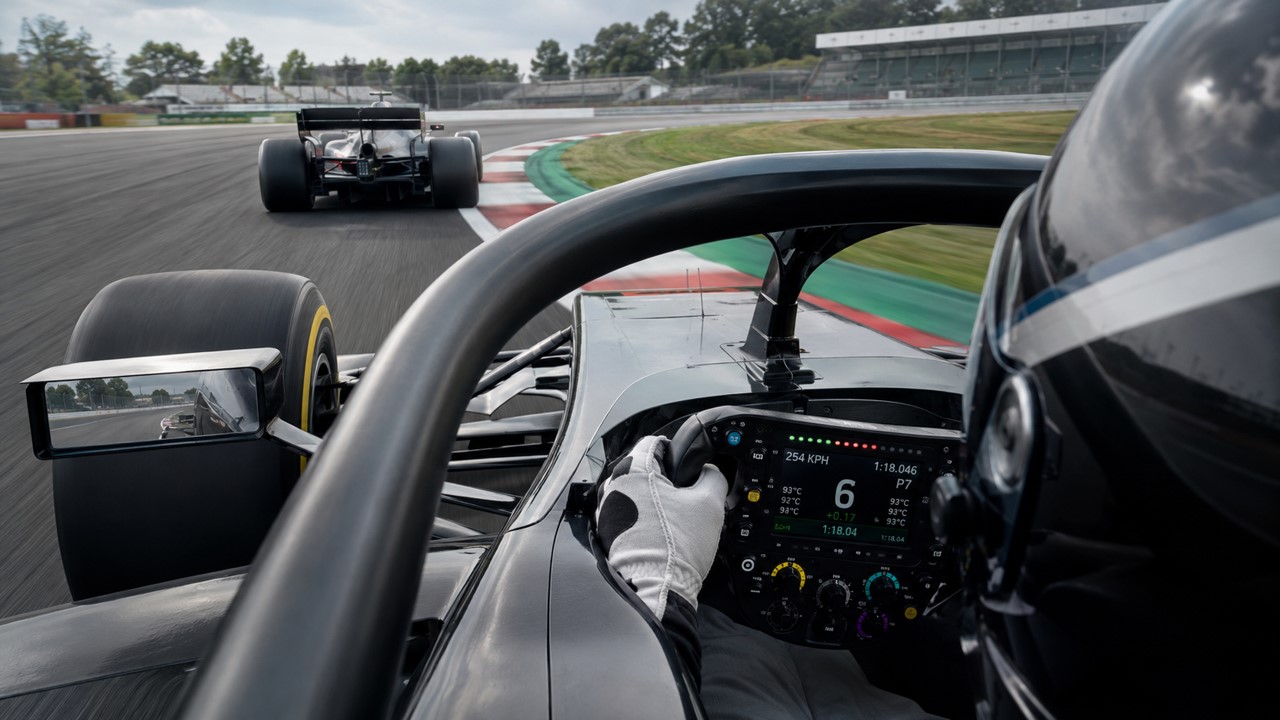
Formula 1 drivers rely on peripheral vision to monitor rival cars, track positions, and stay aware of their surroundings while maintaining incredible speeds. The ability to detect subtle movements or threats from the edges of their vision is crucial for avoiding collisions and making strategic overtakes. Lewis Hamilton’s success is often attributed to his sharp awareness on the track.

Lacrosse demands constant peripheral awareness to track the ball, anticipate defensive moves, and identify scoring opportunities. The fast-paced nature of the game requires players to process multiple moving elements simultaneously. Legendary player Paul Rabil’s field vision highlights the importance of this skill in lacrosse.

Peripheral vision is a critical skill not only in these sports but also in many others, such as football, volleyball, and rugby. Enhancing peripheral vision can improve situational awareness and decision-making, giving athletes a competitive edge. NeuroTracker offers a powerful way to train peripheral vision, challenging the brain to track multiple moving objects in dynamic settings. Trusted by world-class teams and athletes, NeuroTracker is a proven tool for developing this essential skill.
Ready to sharpen your peripheral vision and elevate your game? Sign up now to learn how NeuroTracker can transform your performance.
Welcome to the Research and Strategy Services at in today's fast-paced.
At Formula 1 speeds, performance depends on far more than fast reactions. This article explores how elite drivers prioritize information, anticipate what comes next, and continuously update the race at extreme speed.
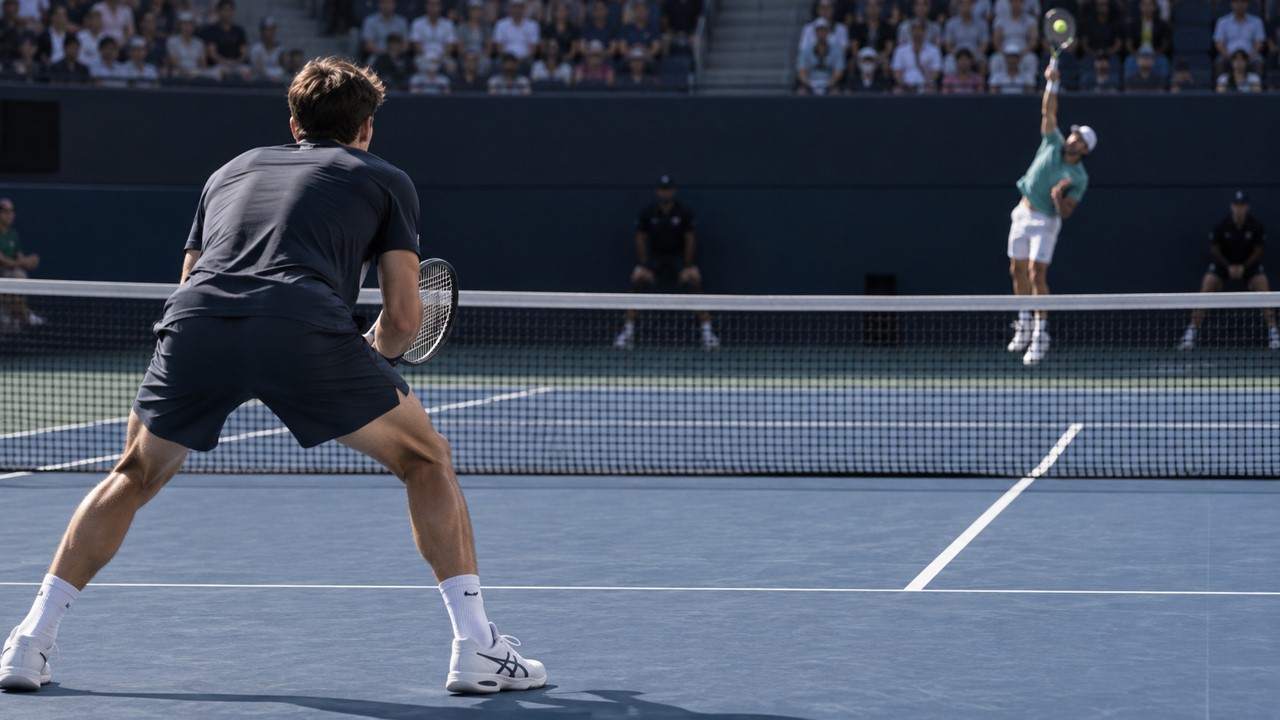
Elite tennis returners do more than react quickly — they extract useful information before the ball is even struck. This article explores how anticipation, body cues, and rapid updating help players solve the return before the serve fully unfolds.
Elite athletes don’t need to look directly at everything to stay aware of a fast-changing play. This article explores how gaze and attention work together to monitor movement, spacing, and opportunity across the wider visual field.
NeuroTracker is one of the most widely researched cognitive training systems, used in elite sports, military, and human performance settings worldwide. Built on 20 years of neuroscience research.