

Welcome to the Research and Strategy Services at in today's fast-paced.
You’re in the middle of a situation that’s still unfolding.
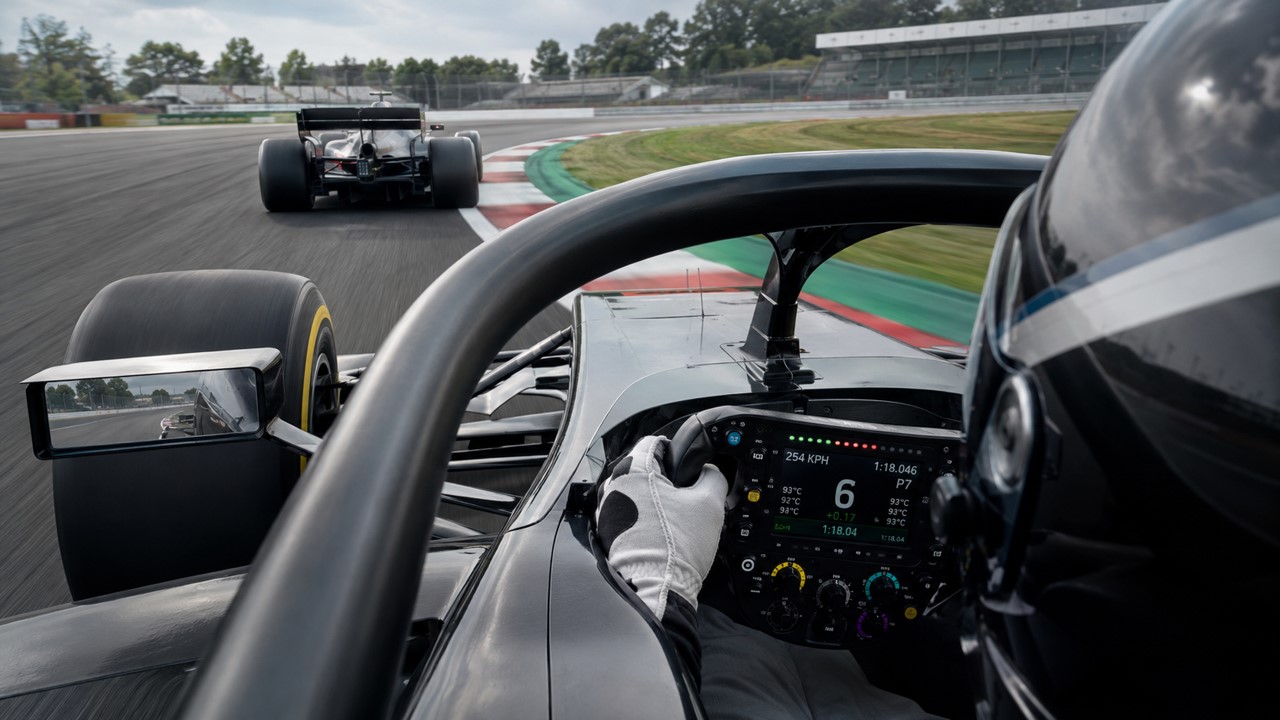
A conversation changes direction before you fully understand what someone means. A driver begins turning before you can see around the obstruction ahead. A player makes a pass before all movement on the field becomes clear.
The decision happens before the full picture is available.
This is common in everyday life, but it often feels uncomfortable in hindsight. Once the missing information becomes visible, the earlier decision can suddenly seem incomplete, premature, or wrong.
The common assumption is that good decisions come from having all the relevant information first.
But many real-world decisions happen before that point is possible.
It seems obvious that decisions should improve as more information becomes available.
With enough time and visibility, you can:
From this perspective, deciding early appears risky or careless. If the full situation is not yet visible, it can feel like the decision is being made without enough understanding.
But many environments do not allow complete visibility before action is required.
The decision cannot wait for the situation to finish unfolding.
It must be formed from partial access to information.

When all relevant information is not yet available, the structure of the decision changes.
Instead of evaluating a complete situation, the person must act based on:
This limits the available pathways for decision-making.
Certain interpretations cannot yet be confirmed. Some possibilities remain hidden. Other outcomes may only become visible after the decision has already been made.
As a result:
This does not necessarily mean the decision is irrational or careless.
It reflects a structural constraint: the situation requires action before complete information exists.
In many cases, waiting for full clarity would remove the opportunity to act altogether.

Incomplete information is often treated as a personal limitation, as though the individual simply failed to notice enough.
But many situations are structured in ways that prevent complete visibility.
For example:
This means the environment itself shapes what can be known at the moment the decision is required.
The decision is not formed from the entire situation.
It is formed from the portion of the situation that is currently accessible.

Driving
A driver approaching an intersection may need to decide whether to merge or turn before visibility fully opens. Parked vehicles, road curvature, or traffic movement can temporarily hide important information until the decision is already underway.
Sports performance
Athletes often act before all movement on the field becomes visible. A pass, defensive movement, or positioning adjustment may be based on partial cues and predicted trajectories rather than complete information.
Conversations and social situations
People frequently respond before they fully understand another person’s intent or meaning. As more context appears later in the conversation, the earlier interpretation may change.
Workplace decisions
A project decision may need to be made before all data, feedback, or outcomes are available. Waiting for complete certainty may not be compatible with deadlines or operational timing.
Navigation
Following a route through a complex environment often requires committing to a direction before the full layout becomes visible. The environment reveals itself progressively, not all at once.
Many decisions are made before the full situation can be seen.
When information is incomplete:
The outcome is shaped not only by the person making the decision, but by when information becomes accessible within the situation itself.
In hindsight, it is easy to judge a decision using information that only became visible afterward.
But that information was not available at the moment the decision had to be made.
What matters is not whether the full situation eventually became clear.
It is whether the environment allowed that clarity before action was required.
Welcome to the Research and Strategy Services at in today's fast-paced.
At Formula 1 speeds, performance depends on far more than fast reactions. This article explores how elite drivers prioritize information, anticipate what comes next, and continuously update the race at extreme speed.
Elite tennis returners do more than react quickly — they extract useful information before the ball is even struck. This article explores how anticipation, body cues, and rapid updating help players solve the return before the serve fully unfolds.
Elite athletes don’t need to look directly at everything to stay aware of a fast-changing play. This article explores how gaze and attention work together to monitor movement, spacing, and opportunity across the wider visual field.
NeuroTracker is one of the most widely researched cognitive training systems, used in elite sports, military, and human performance settings worldwide. Built on 20 years of neuroscience research.