

Welcome to the Research and Strategy Services at in today's fast-paced.
Situational awareness—the ability to perceive, understand, and anticipate what is happening in dynamic environments—is a vital skill for athletes who need to make split-second decisions. It involves reading the field, predicting opponents’ actions, and responding effectively. As Tom Brady once said,
"I’ve always believed that the mental aspect of the game is just as important as the physical."
Here are the top 5 sports where situational awareness is crucial.

Football players must process complex scenarios in real-time. Quarterbacks, for example, scan the defense, assess their options, and make split-second decisions on where to throw the ball. Tom Brady’s ability to anticipate defensive plays and exploit weaknesses highlights the importance of situational awareness in football.

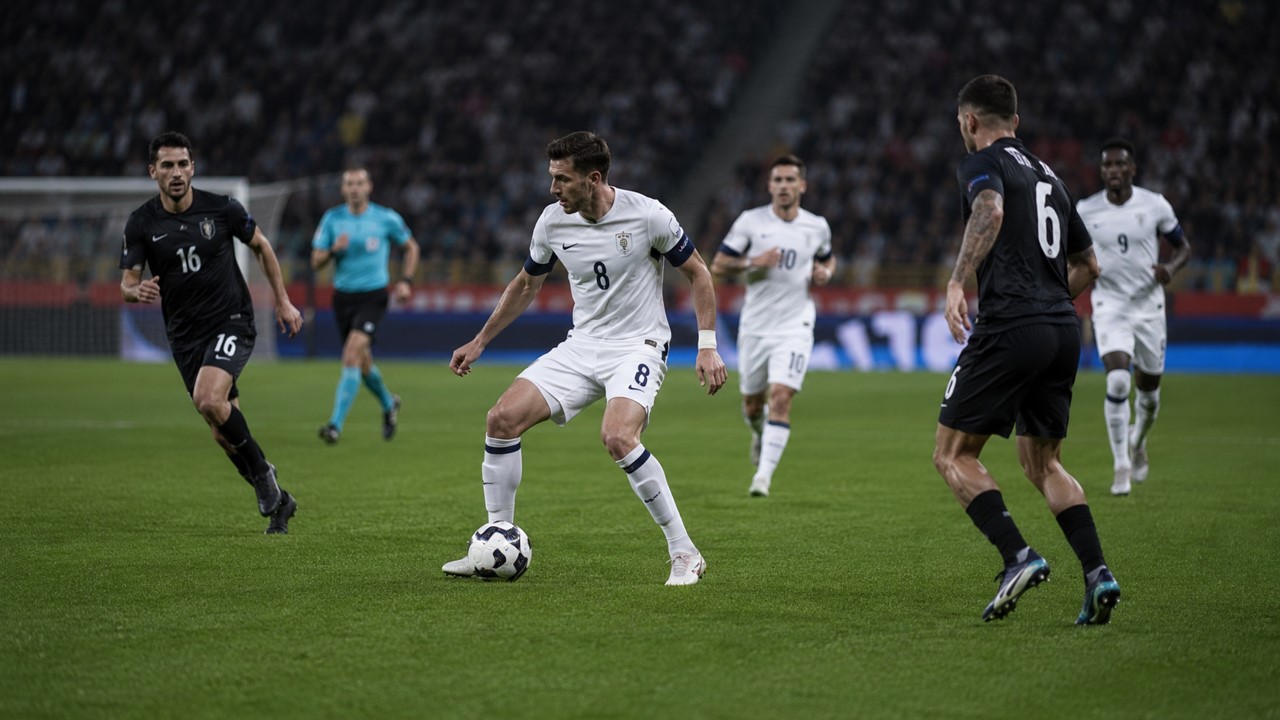
In soccer, situational awareness allows players to understand the positioning of teammates and opponents while predicting the flow of the game. Midfielders like Luka Modrić excel in reading the field and making strategic passes that disrupt defenses and create scoring opportunities.

Hockey is a fast-paced game that requires players to make decisions on the fly while navigating crowded rinks. Situational awareness helps players anticipate puck movements, avoid collisions, and position themselves effectively. Wayne Gretzky famously attributed his success to knowing where the puck was going to be.

In basketball, players rely on situational awareness to read defensive setups, exploit mismatches, and create plays. Point guards, like Chris Paul, are known for their ability to see the court, anticipate movements, and execute perfectly timed assists.

Rugby demands constant situational awareness, with players tracking the ball, opponents, and opportunities for line breaks. Scrum-halves, in particular, need to read the game and distribute the ball strategically. Players like Antoine Dupont demonstrate exceptional situational awareness, allowing them to orchestrate plays under pressure.

While situational awareness is essential in these sports, it plays a significant role in virtually all athletic disciplines. Enhancing this skill can help athletes anticipate better, react faster, and make smarter decisions. NeuroTracker is a cutting-edge tool for developing situational awareness, widely used by elite teams and athletes to train the brain to process dynamic information efficiently. By sharpening this skill, athletes gain a mental edge that translates into superior performance.
Ready to enhance your situational awareness and elevate your game? Sign up now to learn how NeuroTracker can transform your performance.
Welcome to the Research and Strategy Services at in today's fast-paced.
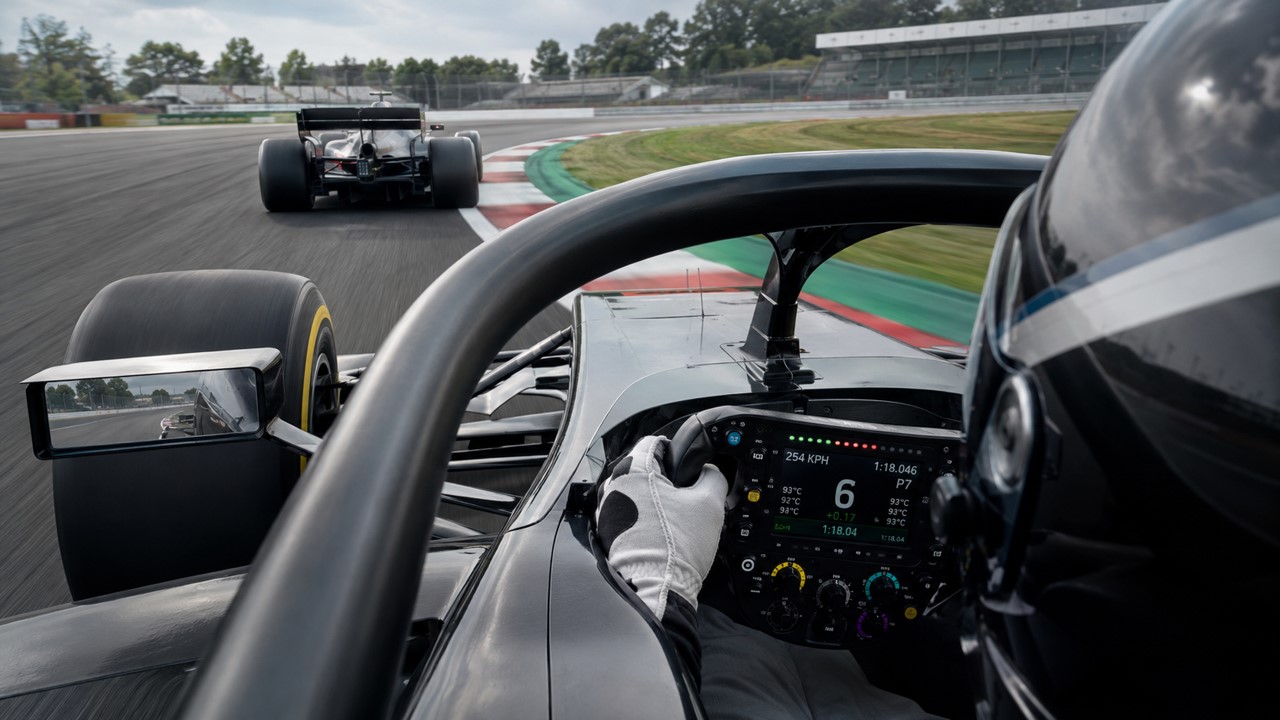
At Formula 1 speeds, performance depends on far more than fast reactions. This article explores how elite drivers prioritize information, anticipate what comes next, and continuously update the race at extreme speed.
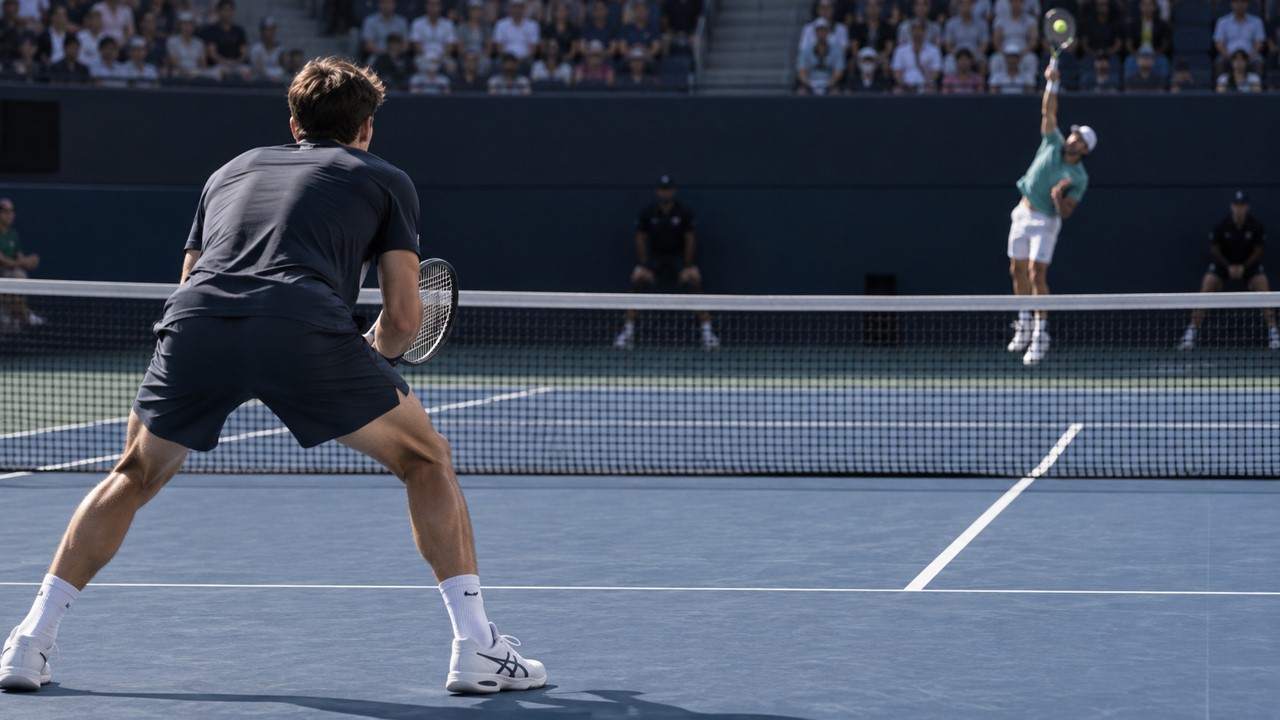
Elite tennis returners do more than react quickly — they extract useful information before the ball is even struck. This article explores how anticipation, body cues, and rapid updating help players solve the return before the serve fully unfolds.
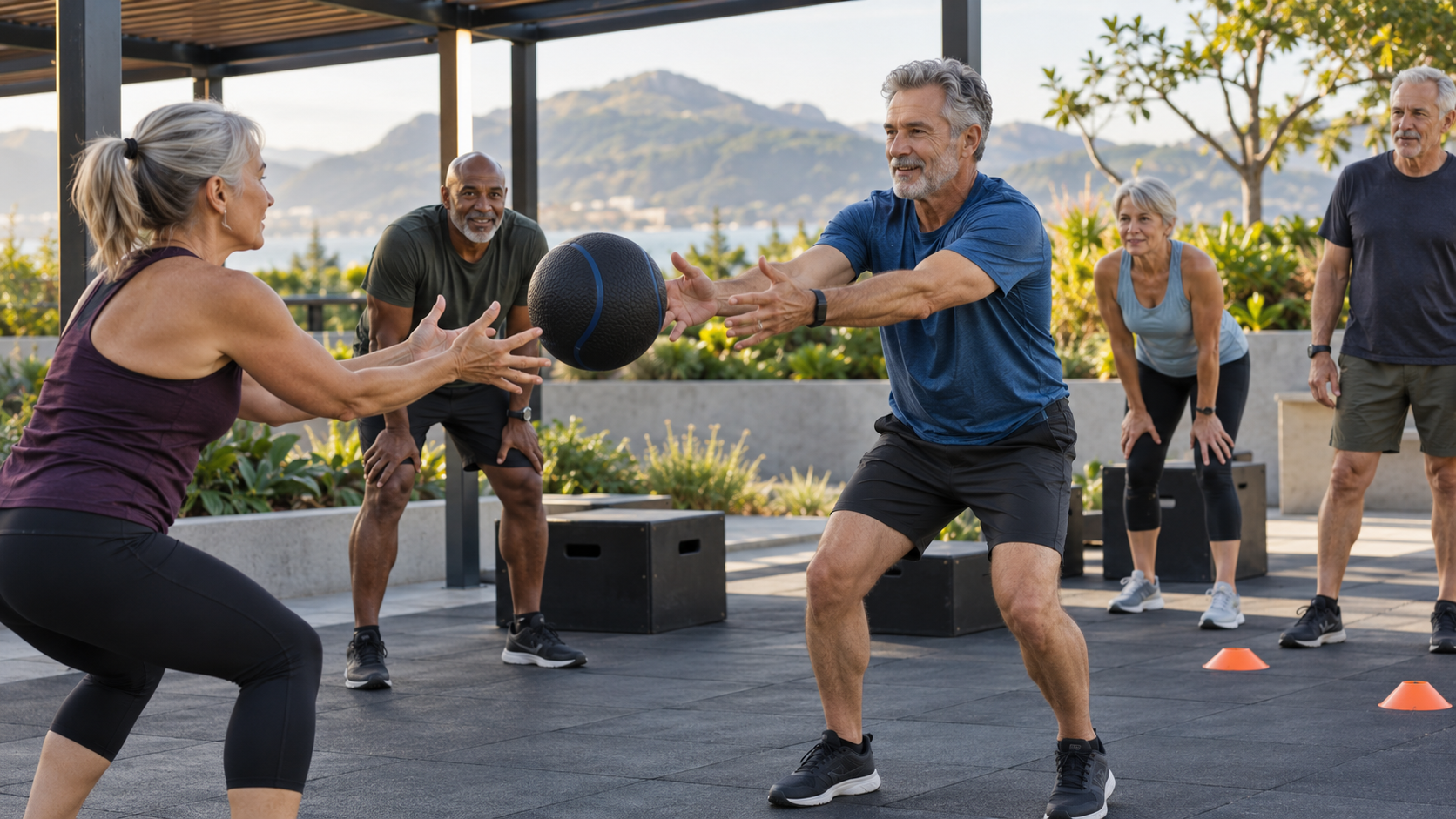
Elite athletes don’t need to look directly at everything to stay aware of a fast-changing play. This article explores how gaze and attention work together to monitor movement, spacing, and opportunity across the wider visual field.
NeuroTracker is one of the most widely researched cognitive training systems, used in elite sports, military, and human performance settings worldwide. Built on 20 years of neuroscience research.