



Welcome to the Research and Strategy Services at in today's fast-paced.
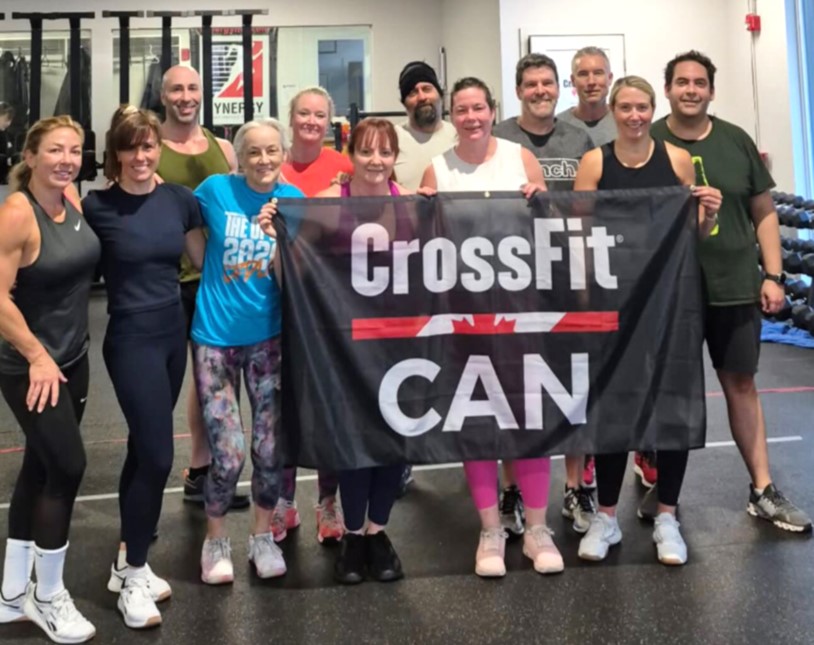
As I come up to one year at CrossFit de la Cité, I’ve been reflecting on how much this past year has taught me—not just physically, but in how consistency actually works.
Like many people balancing work, family, and the everyday demands of life, there are times when things feel full. Not always in a dramatic way, but in the steady, ongoing way that can make it easy to put your own wellbeing further down the list.
Over the past year, one of the biggest lessons for me has been that staying well doesn’t come from doing something big. More often, it comes from doing small things consistently. What I didn’t expect is that consistency isn’t really about motivation—it’s about how your mind and body adapt overtime.

When people think about progress, they often imagine intensity—a burst of motivation or a dramatic new routine. But my experience has been much simpler and much more sustainable than that.
Real progress came from showing up. From keeping a few positive habits in place, even when life felt busy or stressful. Over time, those small actions stopped feeling like effort and started becoming automatic.
CrossFit became one of those anchors for me. It gave me a space to focus, stay disciplined, and keep moving forward one day at a time. There is something powerful about returning to a practice regularly and seeing what that adds up to over time.
It’s not about being perfect. It’s about building trust in yourself through repetition—and eventually, needing less effort to do the things that once felt hard.
Over time, I’ve felt real changes not just physically, but in mymindset, energy, confidence, discipline, and ability to manage stress.
Alongside that, meditation has also played an important role in helping me stay grounded. Taking time to slow down and create mental space has been just as important as the more active side of my routine.
This past year has really reinforced how connected the mind and body are. When one is overloaded or neglected, the other feels it. When both are supported—even in small ways—everything becomes more manageable.
What I love most is having access to simple tools that help me reset in real time, whether it’s a quick breathing exercise during a stressful moment or a guided session before bed. These small resets make a bigger difference than they seem.

Another thing this year reinforced is that consistency is easier to sustain when it’s not done alone. Support, accountability, and encouragement matter more than we often realize.
I’d like to give a special shoutout to one of my closest friends, Eliana Landori, who introduced me to strength training and CrossFit and became both an accountability partner and one of my biggest supporters.
On the days I felt unmotivated or tired, you were there—pushing me, reminding me of my goals, and helping me stay committed whether you were near or far.
Because of you, I didn’t just build a habit—I built strength, discipline, and confidence in myself. I’m incredibly grateful.
I’m also deeply grateful for the communities that supported me this year. CrossFit de la Cité has been a place I’m always drawn back to, thanks to the coaches and the people there. My online meditation practice with Practice by Erica also helped me stay grounded, calm, and present.
Together, these routines and support systems didn’t just keep me active—they helped me build a more balanced and sustainable rhythm in my life.
At work, I spend a lot of time thinking about performance, resilience, and what allows people to stay consistent in demanding environments.
As a Co-Founder of NeuroTracker, with a background in neuroscience, I’ve seen first hand that consistency isn’t just behavioral—it’s cognitive.
The ability to stay focused, manage stress, and perform under pressure is something that can be trained, just like physical fitness.
What this past year reinforced for me personally is that the same principles apply everywhere. Consistency improves when the system behind it becomes more efficient. When your mind is better able to manage attention, process information, and handle stress, everything else—from workouts to daily habits—becomes easier to sustain.
This year has been a reminder that progress isn’t about pushing harder—it’s about building systems that make showing up easier.
Small daily actions. Steady effort. The right support.
Over time, consistency stops feeling like something you have toforce and starts becoming part of who you are.
Consistency isn’t willpower—it’s a trained capability.
And when you support both your mind and body, that’s where real, lasting progress begins.
Welcome to the Research and Strategy Services at in today's fast-paced.
NeuroTracker is one of the most widely researched cognitive training systems, used in elite sports, military, and human performance settings worldwide. Built on 20 years of neuroscience research.