


Welcome to the Research and Strategy Services at in today's fast-paced.
You’re answering a question in a test, making a quick pass in a game, or responding to something at work with a deadline approaching.
When you have time, your thinking feels more open. You can consider options, double-check details, and adjust your decision if something doesn’t feel right.
But under time pressure, something changes.
It doesn’t just feel faster—it feels different.
The common assumption is that time pressure simply speeds you up.
That you think the same way, just more quickly.
But in reality, time pressure changes how decisions are formed in the first place.
It’s easy to believe that time pressure only affects speed.
You still see the same situation. You still know the same things. The only difference seems to be how quickly you have to respond.
When performance drops under time pressure, it’s often explained as “not having enough time” or “rushing.”
This reinforces the idea that the thinking process stays the same, just compressed.
But this intuition misses something important.
When time is limited, the decision itself is not just faster—it is structured differently.

Time pressure is not just a limit on how long you have.
It is a constraint on how decisions can be made.
With more time available:
Under time pressure:
This changes the structure of thinking.
Instead of exploring multiple possible pathways, the decision process becomes narrower. Certain possibilities are never considered, not because they are unknown, but because there is no time to access them.
Time pressure can also force simplification.
Complex situations are reduced to more immediate, manageable interpretations.
This is not about thinking less.
It is about thinking within a more constrained structure.
As a result:
Taking a test
With no time limit, you might read a question carefully, consider different interpretations, and review your answer. Under time pressure, you are more likely to go with the first interpretation that fits and move on, even if other possibilities exist.

When time allows, you might compare several approaches, review data from different angles, and refine your choice. With a tight deadline, the decision often shifts toward the most immediately accessible option that fits the situation.

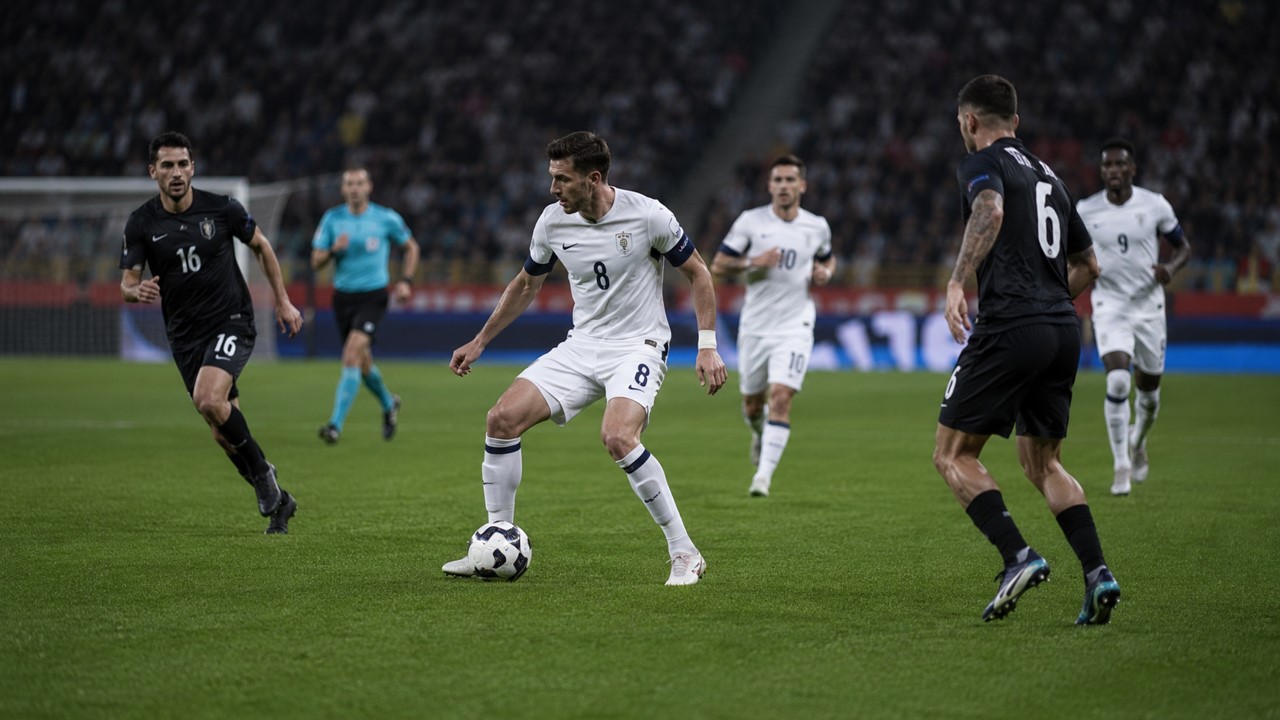
In slower moments, players can scan the environment, track multiple possibilities, and adjust their actions. In fast-paced situations, decisions are made based on a narrower set of cues, with less opportunity to consider alternative options.
Everyday choices
Even simple decisions—like choosing what to buy or where to go—change under time pressure. With more time, you might explore several options. When rushed, you tend to select from a smaller set of immediately available choices.
Time pressure does not just make decisions faster.
It changes how decisions are made.
As time becomes limited, it:
The result is a different decision structure—not simply a faster version of the same process.
When decisions feel different under time pressure, it is not just because you are moving faster.
It is because the way you think has changed.
Time does not simply control speed.
It shapes what can be considered, how it is evaluated, and how a decision ultimately takes form.
Welcome to the Research and Strategy Services at in today's fast-paced.
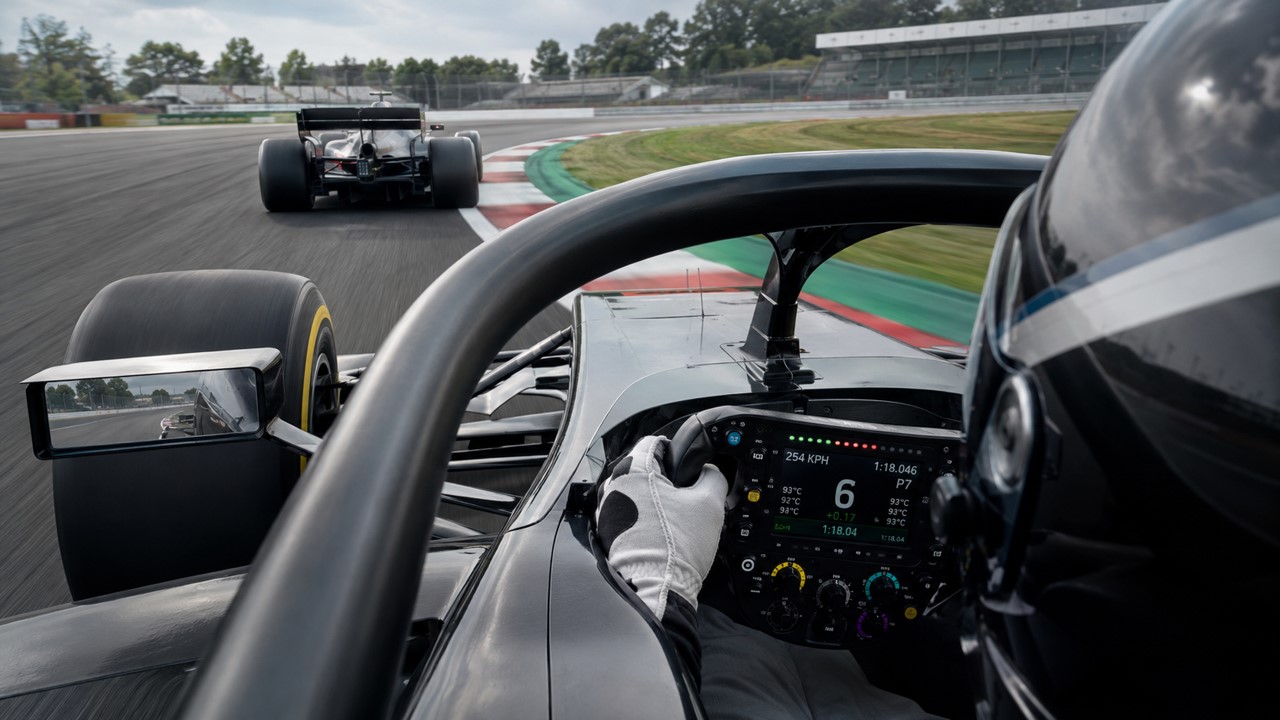
At Formula 1 speeds, performance depends on far more than fast reactions. This article explores how elite drivers prioritize information, anticipate what comes next, and continuously update the race at extreme speed.
Elite tennis returners do more than react quickly — they extract useful information before the ball is even struck. This article explores how anticipation, body cues, and rapid updating help players solve the return before the serve fully unfolds.
Elite athletes don’t need to look directly at everything to stay aware of a fast-changing play. This article explores how gaze and attention work together to monitor movement, spacing, and opportunity across the wider visual field.
NeuroTracker is one of the most widely researched cognitive training systems, used in elite sports, military, and human performance settings worldwide. Built on 20 years of neuroscience research.