


Welcome to the Research and Strategy Services at in today's fast-paced.
You’re probably thinking: “Identifying a play before it happens? Impossible.” But if you study enough and know which cues to look for, yes, you just may be able to figure out what the offense is doing before they even snap the ball.
There are 10 minutes left in the 4th quarter. The opposing team is losing 10-7 and is currently on offense, about to face 3rd-and-8 from their own 25-yard line. The offense lines up in a Shotgun Doubles formation (2 wide receivers spread out to either side of the quarterback with a running back flanked next to the quarterback). You’re the linebacker. What are the steps you take in identifying the play coming your way in just a few seconds?

Good players have the physical attributes to compete and contribute to the team. Great players differentiate themselves by their hard work, dedication, and mental training. They spend hours studying film to pick up on the smallest cues that could give them an edge over their opponent. They are also able to mentally process a wealth of information in just fractions of a second so that they can make quick decisions under immense pressure.

Great players then take their game to the next level by doing cognitive training to achieve superior on-field awareness and mental stamina to make the 'clutch' play, when the other players have exhausted their mental capabilities.
If you enjoyed this blog, then also check out this.
Soccer Penalties – Gaining The Winning Edge (Part 1 – Goalies)
Welcome to the Research and Strategy Services at in today's fast-paced.
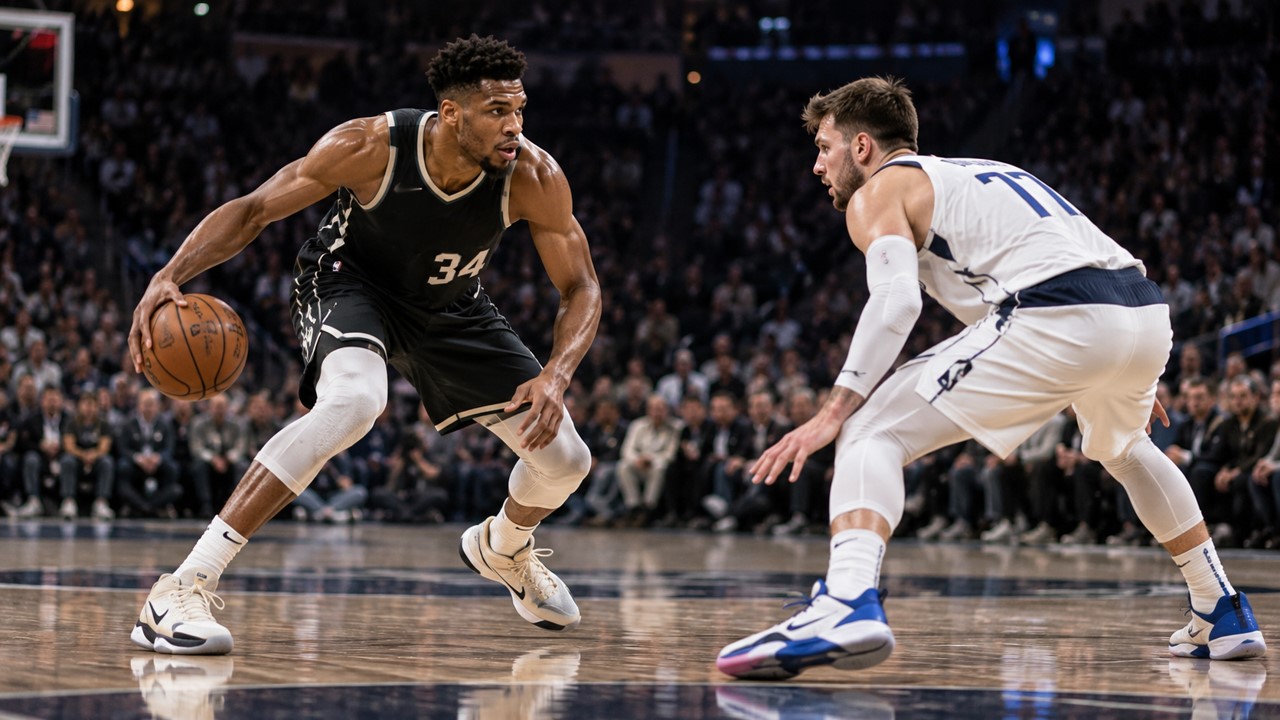
Elite athletes often anticipate an opponent’s next move before the action fully unfolds. This article explores how reading subtle body movements helps experts predict actions, reduce uncertainty, and respond ahead of time.
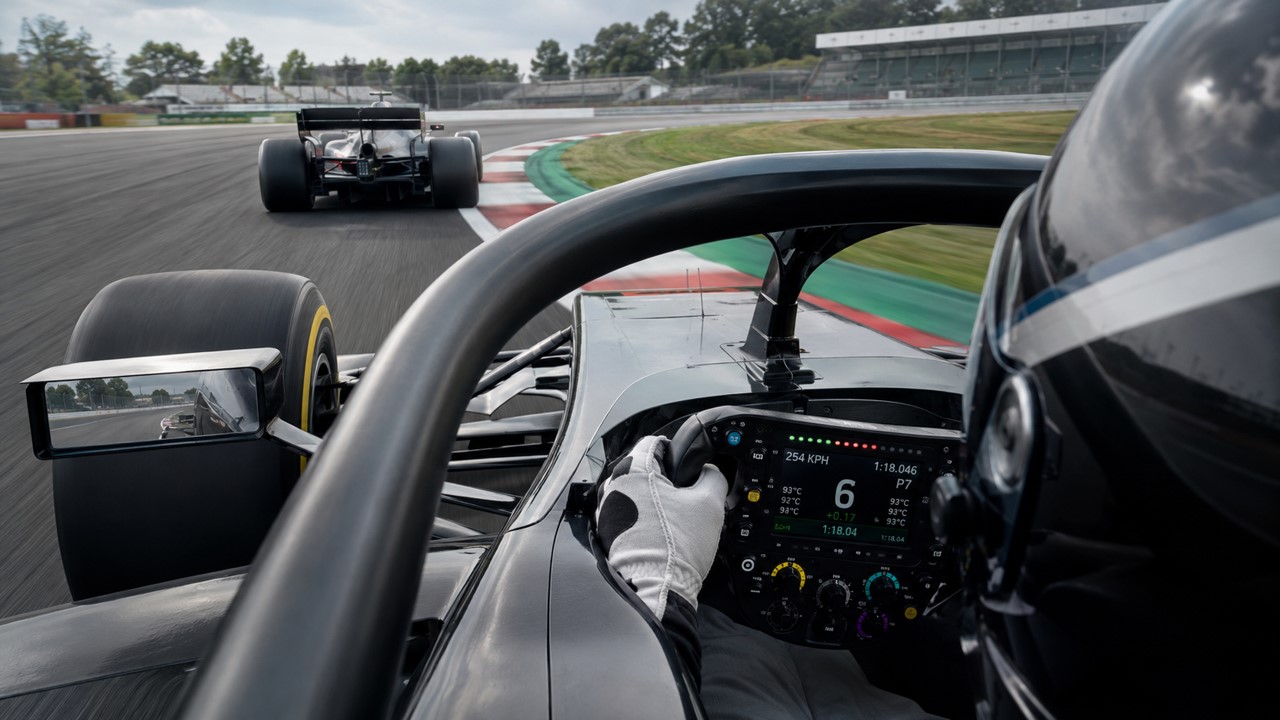
At Formula 1 speeds, performance depends on far more than fast reactions. This article explores how elite drivers prioritize information, anticipate what comes next, and continuously update the race at extreme speed.
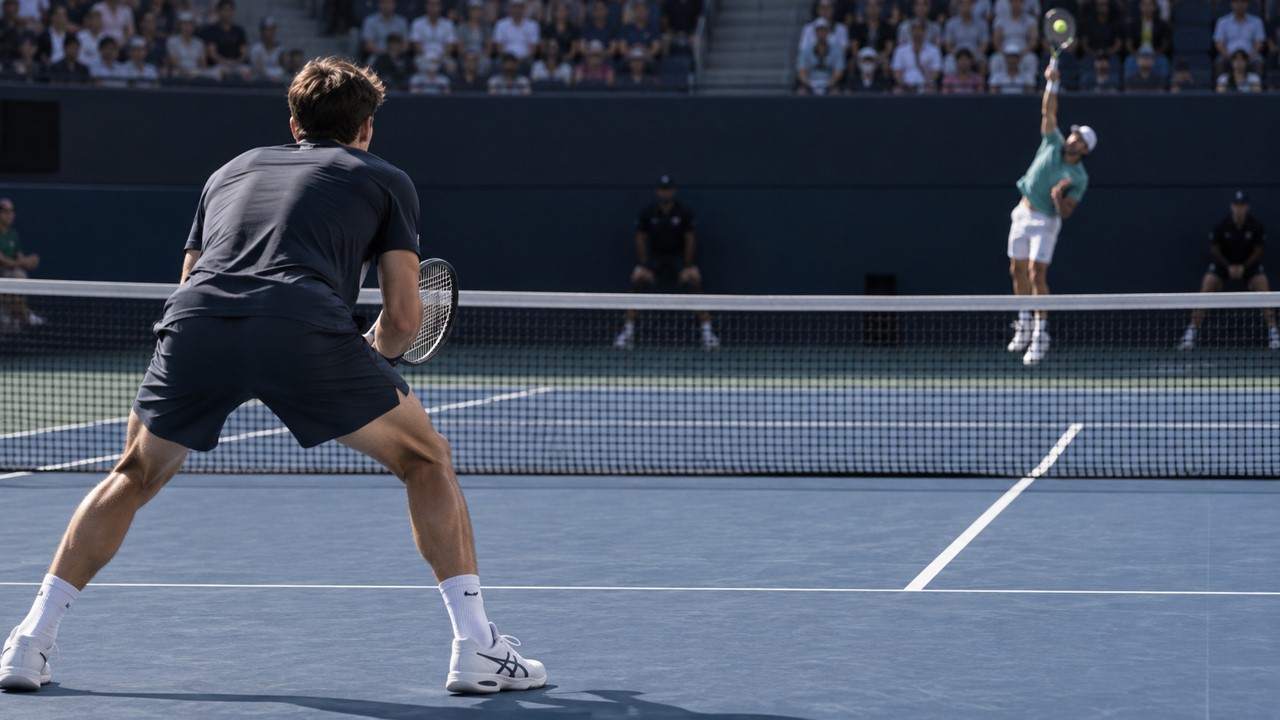
Elite tennis returners do more than react quickly — they extract useful information before the ball is even struck. This article explores how anticipation, body cues, and rapid updating help players solve the return before the serve fully unfolds.
NeuroTracker is one of the most widely researched cognitive training systems, used in elite sports, military, and human performance settings worldwide. Built on 20 years of neuroscience research.