

Welcome to the Research and Strategy Services at in today's fast-paced.
You’re replying to messages while listening to a meeting. Switching between tabs. Keeping multiple things moving at the same time.
It feels productive. Like you’re covering more ground.
The common assumption is simple: if you’re doing more at once, you must be getting more done.
But in practice, the result often doesn’t match the effort. Tasks take longer, details get missed, and progress feels fragmented.
What looks like “doing more” can actually change how work gets done.

Handling multiple tasks at once gives a strong sense of momentum.
There’s constant activity:
Each action feels like progress.
Because attention is continuously engaged, it creates the impression of efficiency. You’re not idle. You’re actively moving between tasks.
And in simple situations, this can seem to work.
Short actions can be completed quickly, giving the feeling that multiple things are advancing at once.
But this intuition is based on visible activity, not how information is actually processed.

When you divide attention across tasks, you don’t process them in parallel in the way it feels.
Instead, attention is redistributed.
At any given moment:
This changes how work is structured.
Instead of following one task through a continuous sequence, the process becomes fragmented. Each return to a task requires re-establishing where you left off and what matters next. This repeated reallocation of attention introduces a small but consistent cost each time—time and effort spent re-establishing context rather than progressing the task itself.
This affects:
Important details can be missed, not because they are difficult, but because attention is allocated elsewhere at the moment they are relevant. Information is also less likely to be retained, because attention is not sustained long enough on any single task for it to be fully processed and integrated.
Tasks are not simply delayed—they are reshaped. Tasks are not simply delayed—they are reshaped, with continuity reduced and information handled in shorter, disconnected segments.
Rather than progressing steadily, they advance in partial segments, with each segment influenced by what else is competing for attention.
The result is not just slower completion.
It is a different pattern of processing across tasks.
Working across multiple tabs
You switch between writing a document, checking email, and reviewing data. Each task moves forward, but in small increments. Every time you return, you need to reorient yourself, which changes how smoothly the task progresses. This repeated reorientation can make it harder to maintain a clear sense of progression within any single task.
Meetings and messaging
Responding to messages during a meeting can feel efficient. But attention is split between two streams of information. Key points from the meeting or the messages can be missed because each competes for processing at the same time.
Studying while distracted
Reading while checking your phone creates a fragmented experience. The material is still read, but connections between ideas are weaker because attention shifts interrupt how information is processed.
Sports performance
In dynamic situations, focusing on too many elements at once can change how information is prioritized. Instead of clearly tracking the most relevant cues, attention becomes spread across multiple signals, altering how decisions are formed in real time.
Everyday tasks
Even simple actions—like cooking while responding to notifications—can lead to missed steps or timing errors. Not because the tasks are complex, but because attention is divided across them.

Doing more at once does not mean more is being completed in the same way.
Dividing attention across tasks:
The result is not parallel productivity, but redistributed processing across multiple demands.
When it feels like you’re doing more at once, it’s easy to assume that output should increase.
But the structure of how tasks are handled has changed.
What matters is not how many things are active at the same time, but how attention is allocated within them—and how that shapes what actually gets done.
Welcome to the Research and Strategy Services at in today's fast-paced.
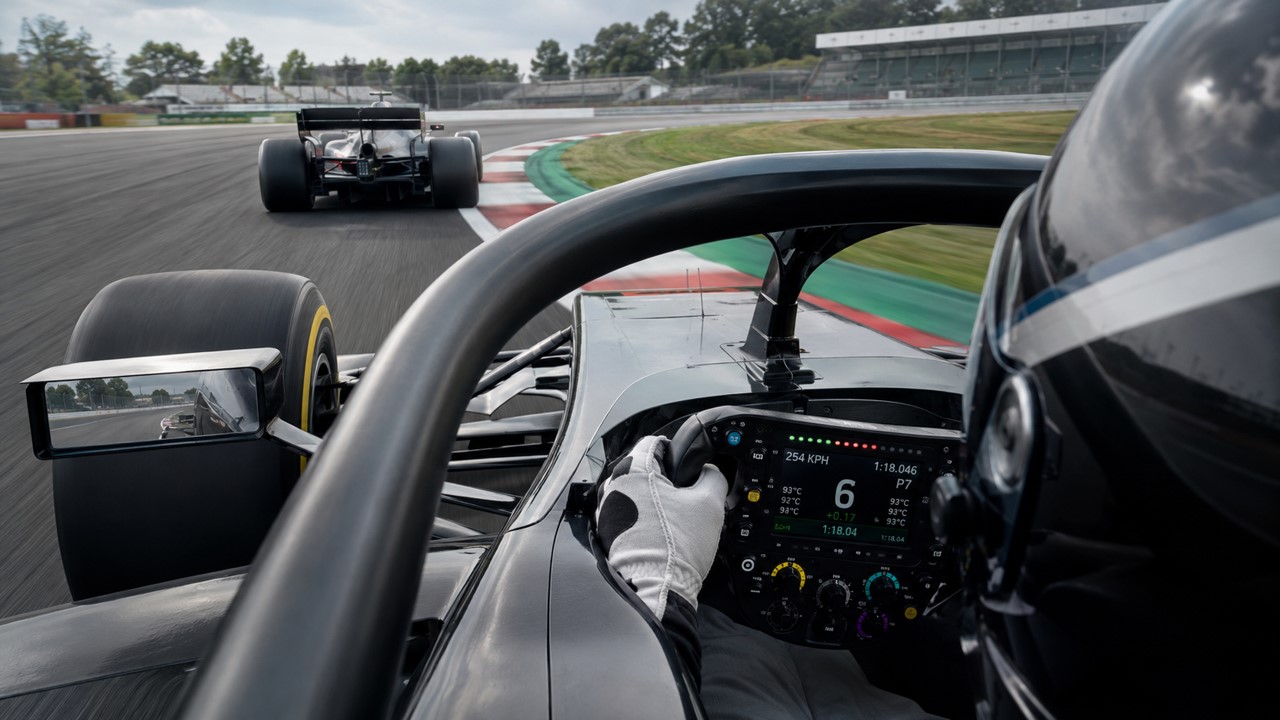
At Formula 1 speeds, performance depends on far more than fast reactions. This article explores how elite drivers prioritize information, anticipate what comes next, and continuously update the race at extreme speed.
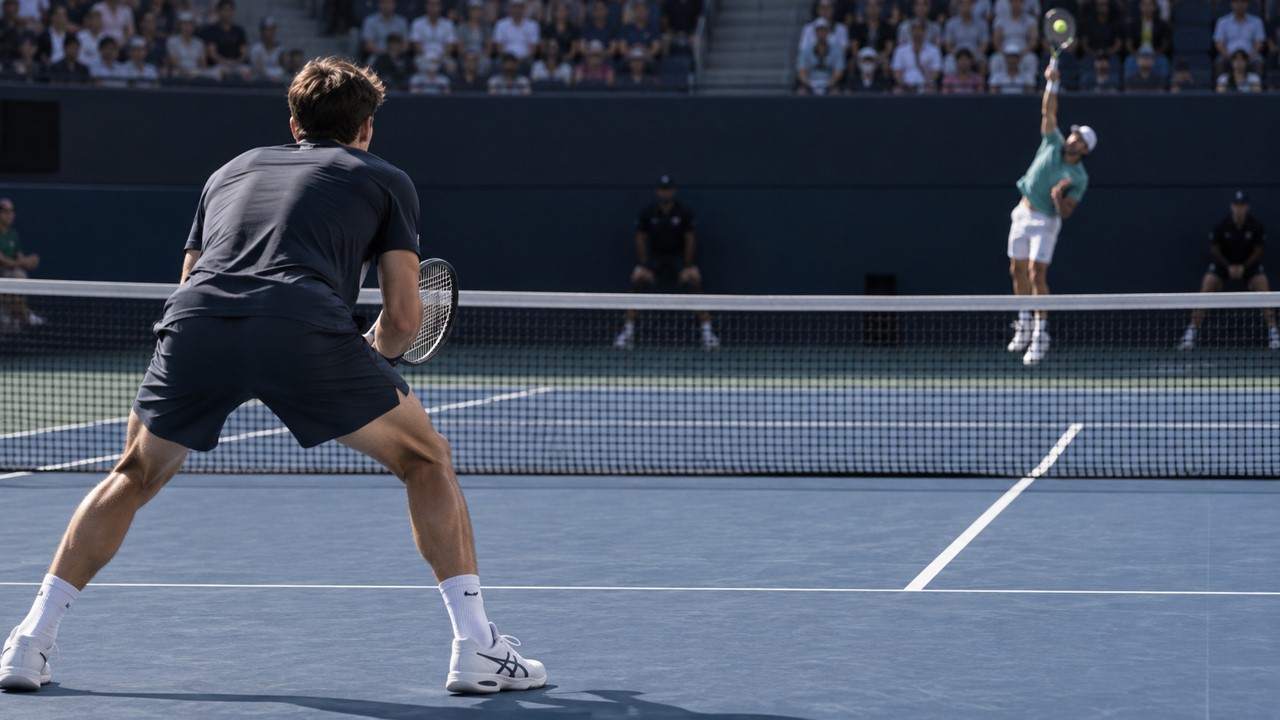
Elite tennis returners do more than react quickly — they extract useful information before the ball is even struck. This article explores how anticipation, body cues, and rapid updating help players solve the return before the serve fully unfolds.
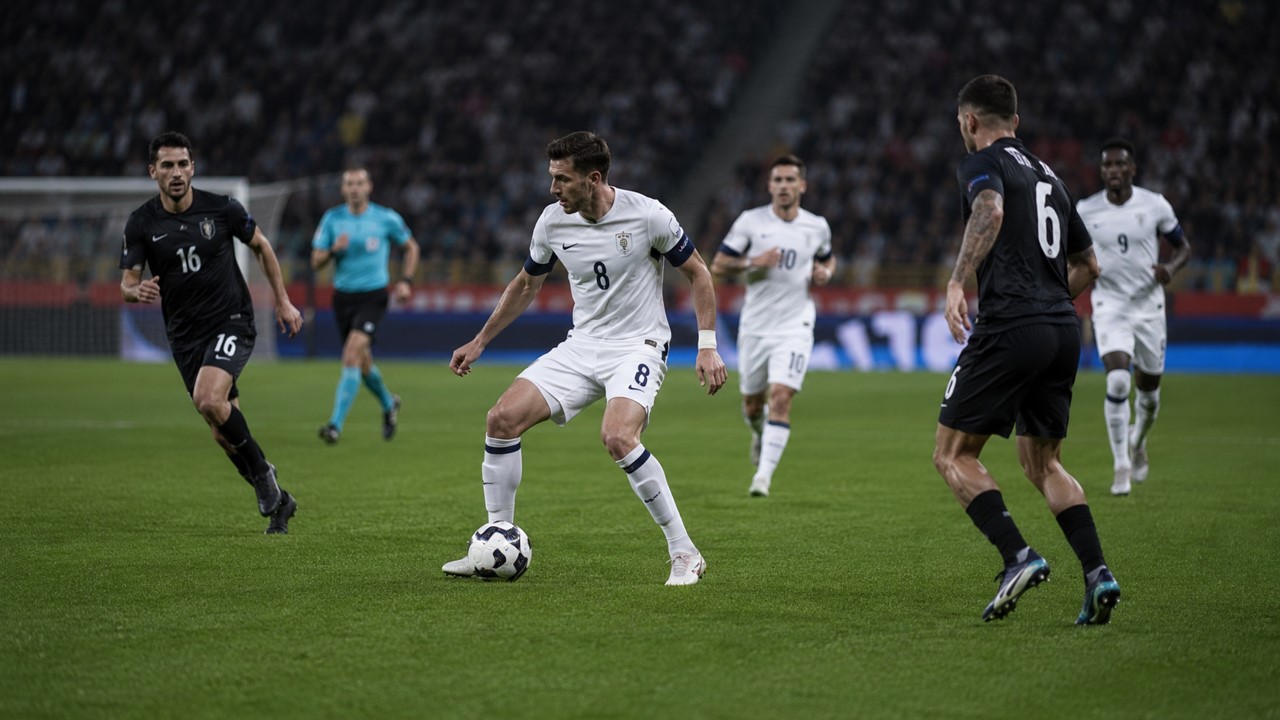
Elite athletes don’t need to look directly at everything to stay aware of a fast-changing play. This article explores how gaze and attention work together to monitor movement, spacing, and opportunity across the wider visual field.
NeuroTracker is one of the most widely researched cognitive training systems, used in elite sports, military, and human performance settings worldwide. Built on 20 years of neuroscience research.